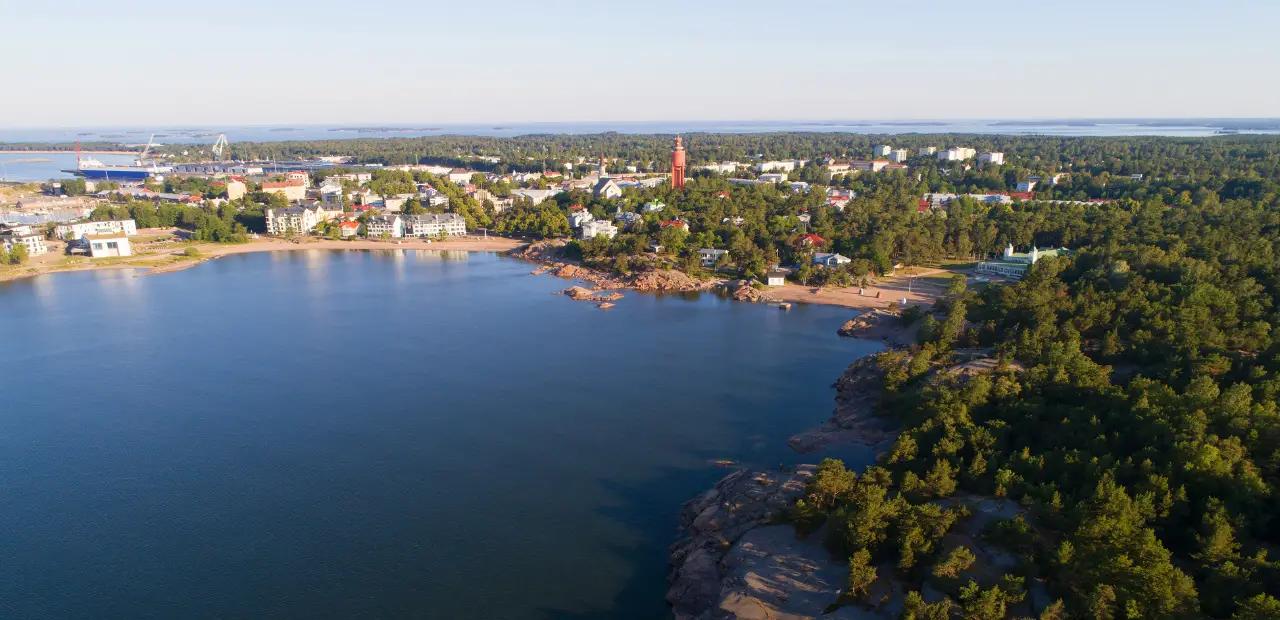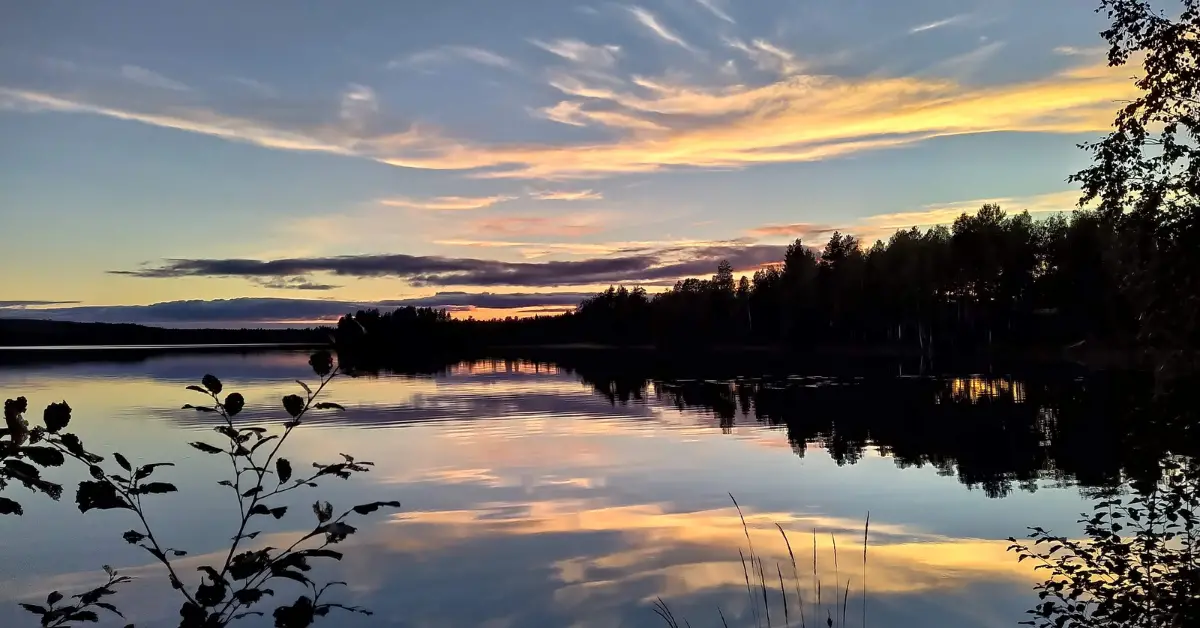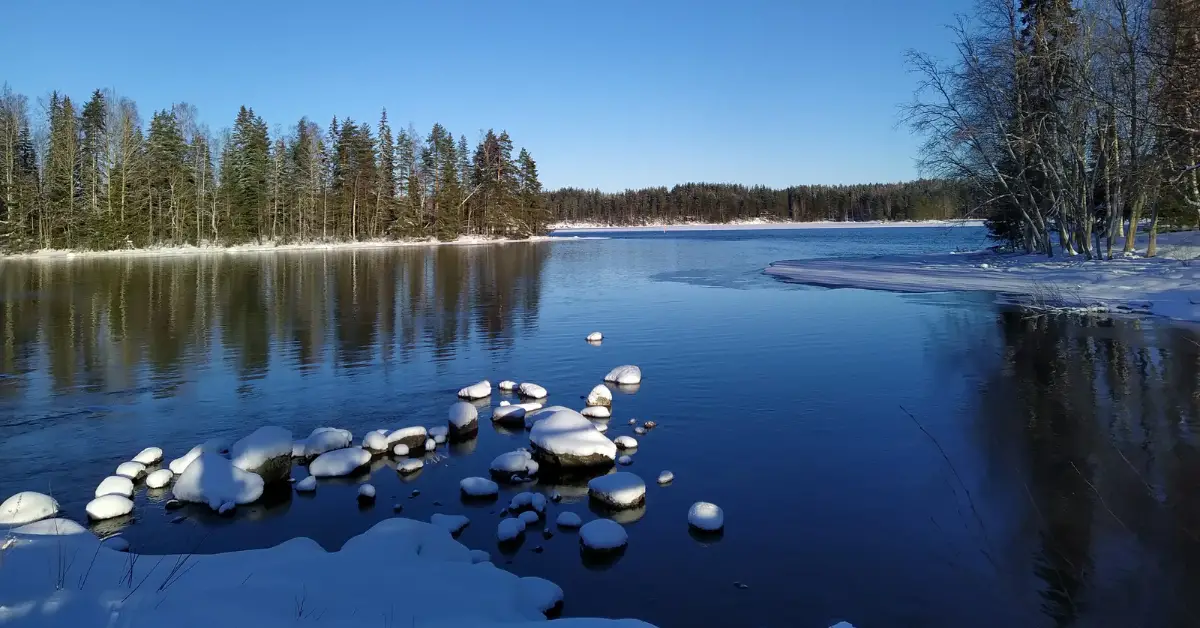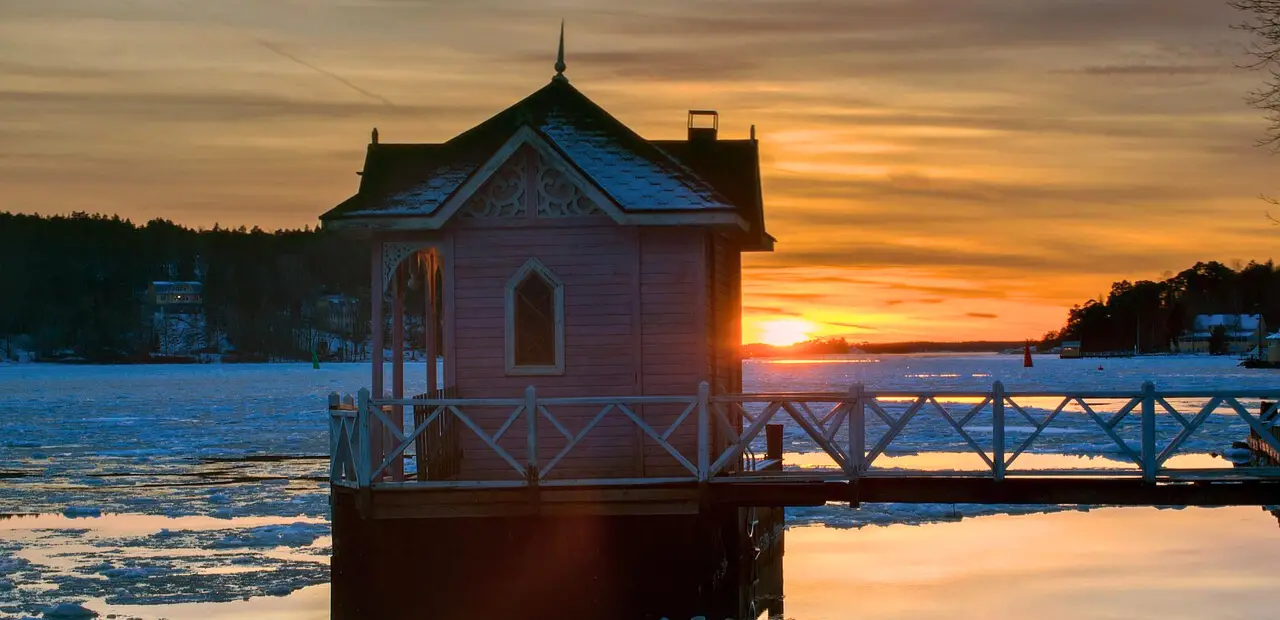
Nestled in the heart of Finland’s southwestern coast, Ruissalo Island and the sprawling Turku Archipelago present birders with an exceptional destination that combines accessibility, diversity, and year-round birding opportunities.
This comprehensive guide reveals why these locations deserve a prominent place on every serious birder’s bucket list, offering everything from casual day trips to immersive multi-day expeditions through one of the world’s most extensive archipelago systems.
Why Birders Choose
Ruissalo & Turku Archipelago
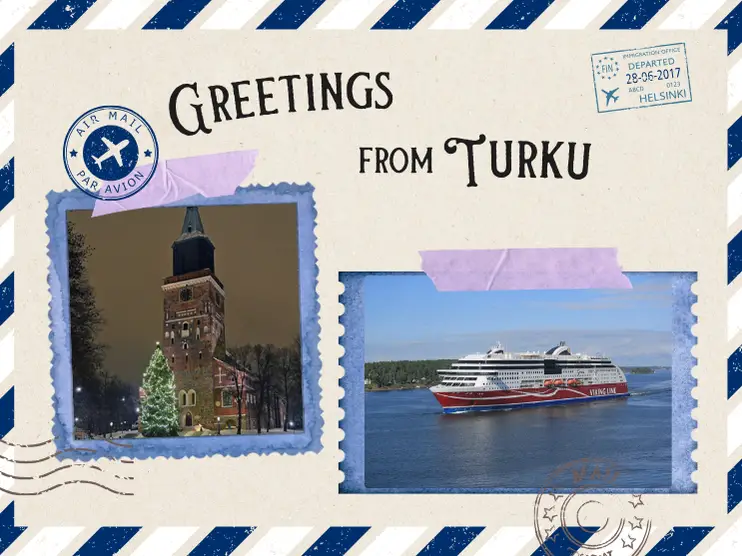
The Turku Archipelago Sea, comprising over 20,000 islands and skerries, creates a unique ecological tapestry where coastal, woodland, and marine bird species converge.
At its gateway sits Ruissalo Island, home to Finland’s largest oak forest, a 170-hectare treasure representing nearly half of all Finnish oak woodlands.
This ancient forest ecosystem supports rare cavity-nesting species alongside the archipelago’s renowned seabird colonies, making the region internationally significant for both breeding populations and migratory birds.
The archipelago’s strategic location along major migration flyways means that millions of Arctic-breeding waterbirds funnel through these waters each spring and autumn.
The Jurmo Bird Observatory, operational since 1962, has documented over 318 species on a single island, a testament to the region’s exceptional diversity.
Whether you’re targeting rare breeding specialties like Barred Warbler and Little Tern, photographing migrating raptors, or simply enjoying the spectacle of thousands of waterfowl on the move, this region delivers consistently memorable birding experiences.
Seasonal
Birding: What to Expect Throughout the Year
Spring Migration (April–May)
Spring brings the archipelago to life with an explosion of avian activity. This is arguably the most exciting season for birders, as Arctic-bound migrants stage along the coast and breeding birds establish territories.
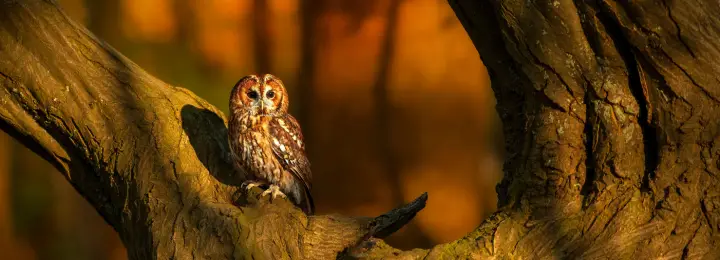
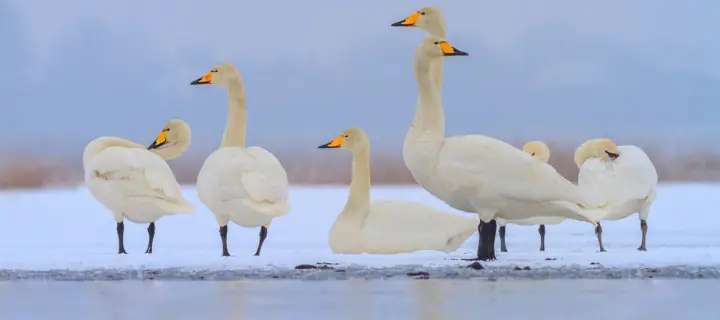
Early April marks the arrival of the vanguard: Whooper Swans trumpet across wetlands, Common Cranes perform their elaborate courtship dances, and Barnacle Geese begin gathering at traditional nesting sites. Ruissalo’s oak forests echo with the territorial calls of Stock Doves, Eurasian Treecreepers, and Tawny Owls emerging from winter dormancy.

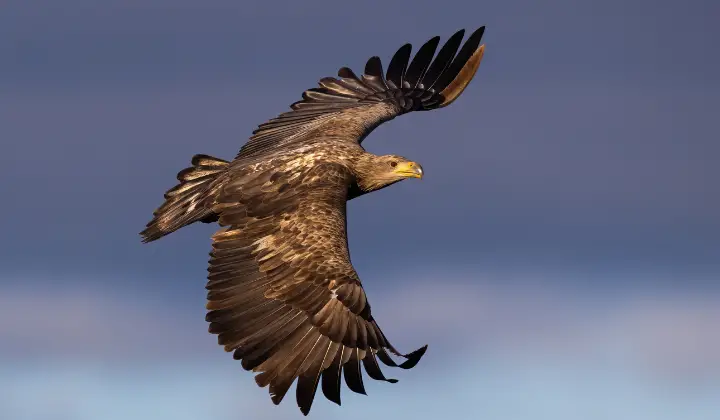
Mid-April to Early May witnesses the peak spring migration along the coast. At strategic observation points like Kuuva on Ruissalo’s southwestern tip, birders can witness impressive seabird passage including Long-tailed Ducks, Common and Velvet Scoters, and various diving duck species. Arctic Skuas occasionally harass the passing flocks, while White-tailed Eagles patrol the shorelines. The oak forests begin filling with summer visitors: Common Redstart, Wood Warbler, and the increasingly rare Eurasian Golden Oriole.
Late May brings the latest arrivals. Thrush Nightingales sing from dense undergrowth, Common Rosefinches appear in scrubby areas, and the last wave of warblers arrives. Järvelä wetland north of Turku becomes particularly productive, with Garganey, Water Rail, and occasionally Slavonian Grebe establishing breeding territories. On Jurmo Island, the distinctive rattling song of Barred Warblers announces their return from African wintering grounds.
Target Species for Spring:
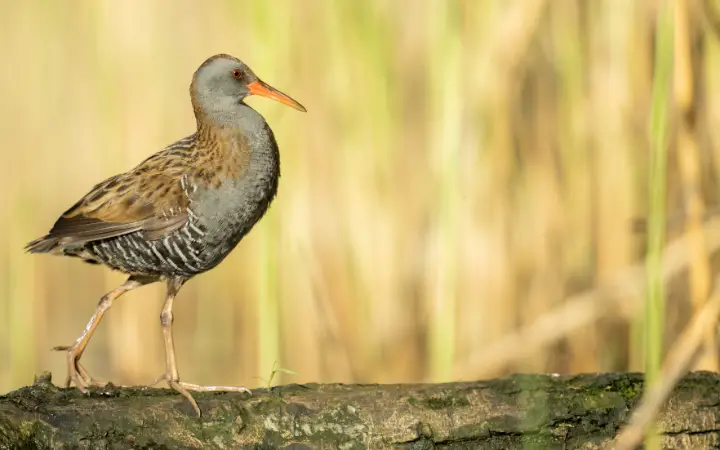
Breeding specialties: Barred Warbler, Little Tern, Common Shelduck, Eurasian Golden Oriole
Wetland birds: Whooper Swan, Common Crane, Garganey, Water Rail, Slavonian Grebe
Oak forest specialists: Stock Dove, Lesser Spotted Woodpecker, Tawny Owl, Collared Flycatcher (passage migrant)
Seabirds: Long-tailed Duck, Common Scoter, Velvet Scoter, Arctic Skua, various divers
Summer Breeding Season (June–July)
Summer transforms the archipelago into a thriving seabird city while the ancient oak forests resound with territorial songbirds.
The outer archipelago islands, particularly Jurmo and Utö, host internationally significant breeding colonies.
Common and Arctic Terns nest in impressive numbers—Jurmo supports one of Finland’s few Little Tern colonies, a species of conservation concern throughout its range.
Black Guillemots nest in rocky crevices, their piercing whistles carrying across calm morning waters. The distinctive “kronking” calls of Common Eiders fill the air as females tend their creches of ducklings.
Ruissalo’s herb-rich oak forests provide crucial breeding habitat for woodland specialists.
Tawny Owls nest in old tree cavities alongside Stock Doves, while Lesser Spotted Woodpeckers excavate new nest holes that will serve future generations of cavity nesters.
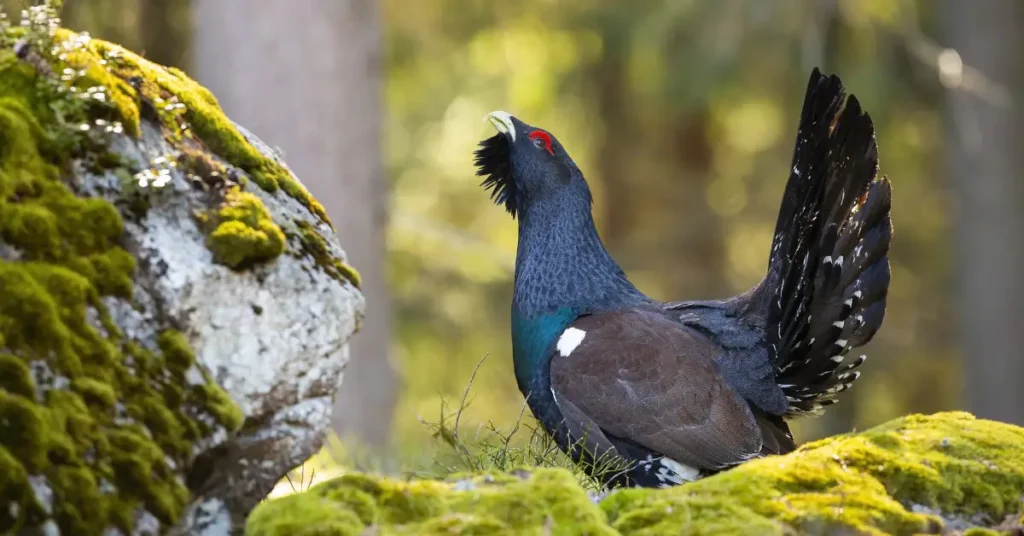
The rare Eurasian Golden Oriole’s flute-like song echoes through the canopy—one of Finland’s most sought-after species for visiting birders.
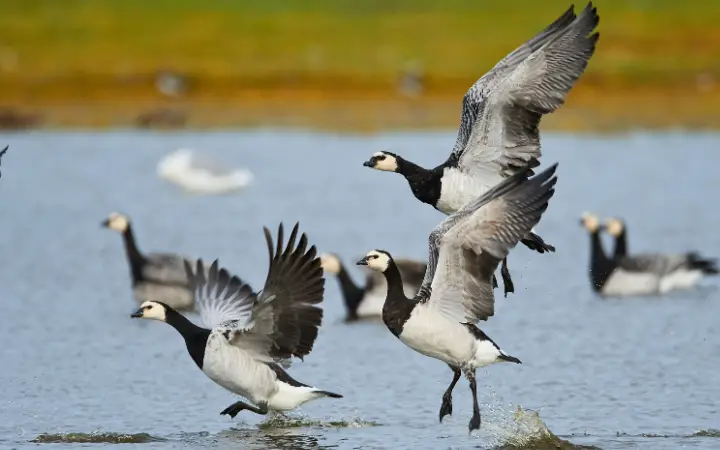
June and early July also offer excellent opportunities to observe Barnacle Geese, protected under the EU Birds Directive, tending their goslings near Ruissalo’s shoreline.
White-tailed Eagles become increasingly visible as breeding pairs provision hungry nestlings, often perching prominently on dead snags with fresh fish clutched in their talons.
Important Note: Many breeding areas are restricted April 1–July 31 to protect nesting birds. Respect all signage and stay on designated trails.
The western portions of Jurmo Island are particularly sensitive.
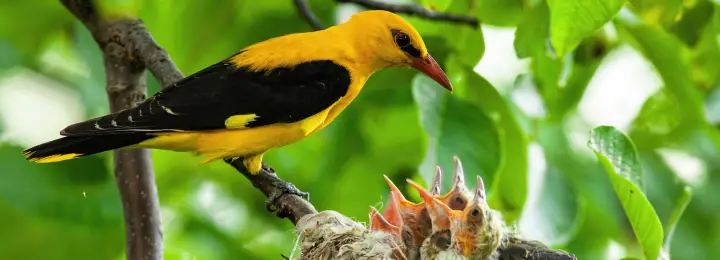
The rare Eurasian Golden Oriole’s flute-like song echoes through the canopy—one of Finland’s most sought-after species for visiting birders.
June and early July also offer excellent opportunities to observe Barnacle Geese, protected under the EU Birds Directive, tending their goslings near Ruissalo’s shoreline.
White-tailed Eagles become increasingly visible as breeding pairs provision hungry nestlings, often perching prominently on dead snags with fresh fish clutched in their talons.
Important Note: Many breeding areas are restricted April 1–July 31 to protect nesting birds. Respect all signage and stay on designated trails.
The western portions of Jurmo Island are particularly sensitive.

Target Species for Summer:
Terns: Common Tern, Arctic Tern, Little Tern (Jurmo specialty)
Seabirds: Black Guillemot, Common Eider, Velvet Scoter
Raptors: White-tailed Eagle, Osprey, Common Kestrel
Oak forest specialists: Tawny Owl, Lesser Spotted Woodpecker, Eurasian Golden Oriole, Stock Dove
Wetland species: Common Crane, various warblers including Marsh Warbler and Reed Warbler
Autumn Migration (August–October)
Autumn migration in the archipelago is more protracted than spring but offers exceptional diversity and the thrill of rarity-hunting at established observation points.
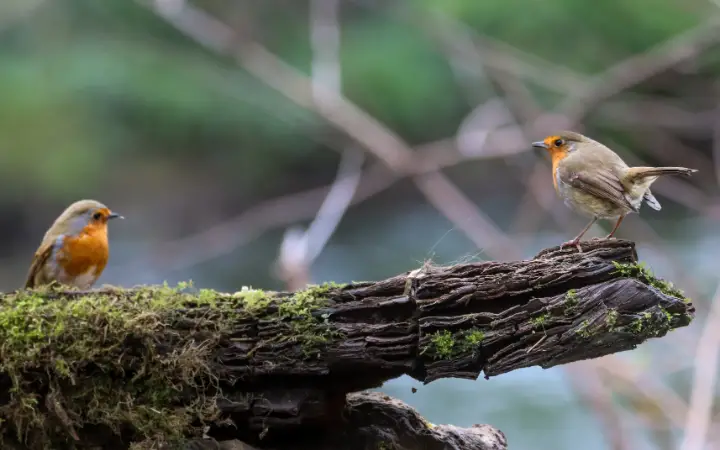
August sees the first wave of waders beginning their southward journey. Purple Sandpipers start appearing on rocky shorelines—Jurmo and Utö are among Finland’s premier locations for this species, with hundreds sometimes present. Jack Snipe skulk in marshy areas, while various other wader species stage before continuing south.
September marks the peak of passerine migration, particularly on outer islands like Jurmo. On favorable conditions, thousands of European Robins, Goldcrests, and various warbler species can descend on a single island overnight. This concentration attracts both birders and rarities—Alpine Accentors and Siberian Accentors have been recorded multiple times, among the few reliable sites in Europe for these vagrant species.
October brings the main waterfowl migration. Massive flocks of Long-tailed Ducks, Common Scoters, and various diving ducks stream past coastal observation points. Greater Scaups join Common Pochards on sheltered bays. The migration of Common Cranes peaks mid-month, with V-formations bugling overhead as they depart for southern Europe. Shore Larks and Snow Buntings arrive from the high Arctic, often feeding in stubble fields or along beaches.
Late October into November offers the last migration spectacle as the final Whooper Swans and geese depart. However, mild autumns increasingly see lingering waterbirds well into December.
Target Species for Autumn:
- Waders: Purple Sandpiper (hundreds possible), Jack Snipe, various migrant shorebirds
- Passerines: European Robin, Goldcrest, Song Thrush, various warblers, Shore Lark, Snow Bunting
- Rarities: Alpine Accentor, Siberian Accentor (Jurmo), Collared Flycatcher (September)
- Waterfowl: Long-tailed Duck, Common Scoter, Velvet Scoter, Greater Scaup
- Raptors: Migrating Common Buzzards, Eurasian Sparrowhawks, White-tailed Eagles
Winter (November–March)

Winter birding in the archipelago requires dedication but rewards hardy birders with specialties unavailable during other seasons.
The ice-free waters around Turku harbor remain productive throughout winter.
Flocks of Long-tailed Ducks and Common Goldeneyes winter in sheltered bays, alongside occasional Smews and Red-breasted Mergansers.
White-tailed Eagles are particularly visible, scavenging around fishing operations or hunting weakened waterbirds.
Ruissalo’s oak forests offer shelter to resident woodland species.
Eurasian Treecreepers spiral up ancient oak trunks alongside Coal Tits and Willow Tits.
Tawny Owls become vocal on mild nights, particularly from January onward.
Great Spotted and occasionally Lesser Spotted Woodpeckers drum intermittently, establishing territories for the coming breeding season.
Feeding stations near human habitation attract Eurasian Siskins, Common Redpolls, and occasional flocks of Bohemian Waxwings.
During invasion years, Waxwings can appear in spectacular numbers, gorging on berries in urban and suburban areas.
Target Species for Winter:
- Waterfowl: Long-tailed Duck, Common Goldeneye, Smew, Red-breasted Merganser
- Raptors: White-tailed Eagle, Gyrfalcon (very rare)
- Woodland birds: Tawny Owl, Lesser Spotted Woodpecker, Eurasian Treecreeper
- Finches: Eurasian Siskin, Common Redpoll, occasionally Pine Grosbeak
- Invasion species: Bohemian Waxwing (variable abundance)
Prime Birding Locations
Ruissalo Island
Kuuva (Ruissalo Southern Tip)
Coordinates: Accessible via Kuuvanreitti trail, parking at P on maps
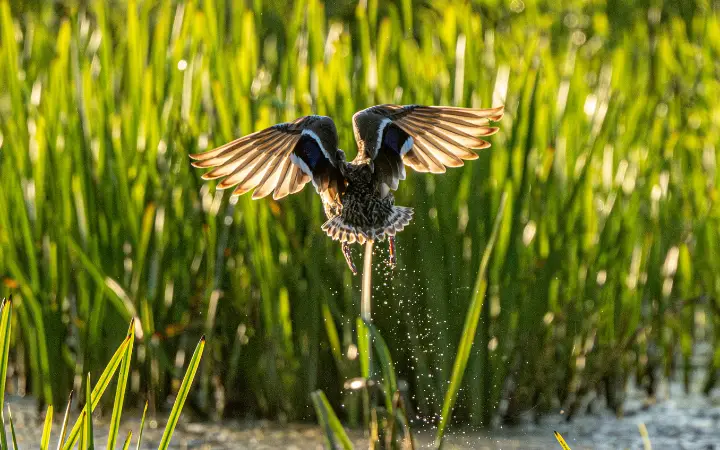
This windswept promontory provides Finland’s finest mainland seabird watching. During spring and autumn migration, position yourself on the rocky cliffs at dawn to witness seabird passage at close range.
Long-tailed Ducks, scoters, and divers stream past, while White-tailed Eagles regularly cruise the coastline.
Black Guillemots nest on surrounding rocky islets—bring a scope for distant observations.
A 1-kilometer forest trail leads to the observation point, so allow 20-30 minutes walking time from the parking area.
Weather conditions dramatically affect bird movements; optimal days feature light following winds and clear visibility.
Krottilalahti Bird Tower
Access: Via Puistotie road nature trail
Located in Krottilalahti nature reserve near Ruissalo Golf Course, this tower overlooks productive shallow bays and reed beds.
Spring brings displaying Eurasian Wigeons, Gadwalls, and Northern Shovelers. During migration periods, scan for resting waders along muddy margins.
The adjacent oak forest trail provides excellent opportunities for woodland species including Stock Dove, Lesser Spotted Woodpecker, and three species of woodpeckers.
The tower is wheelchair accessible via boardwalk from the nature trail.
Kansanpuisto Bird Platform
Access: Riverbank promenade to Kansanpuisto Park
An accessible platform offering close views of waterfowl using the sheltered bay.
Common Eiders are present year-round, while Red-breasted Mergansers fish offshore in winter. Spring migration brings diving duck diversity, scan for Tufted Ducks, Greater Scaups, and occasional Smew. Parking available at the nearby Ruissalo Shipyard.
Ruissalo Nature Trails (Kuuvanreitti and Kansanpuistonreitti)
Total distance: 18 kilometers combined, divisible into shorter loops
These well-maintained trails wind through Finland’s finest oak forest, offering excellent woodland birding throughout the year. Early morning visits are essential for maximum bird activity. The trails pass several historically valuable villas—picturesque but stay focused on the ancient oaks where the real treasures reside. Bring insect repellent during summer months.
Järvelä Wetland & Littoistenjärvi
Järvelä Bird Tower
Location: Northern shore of Lake Littoistenjärvi, Kaarina/Lieto border
Access: Parking at Järveläntie/Vanha Littoistentie crossroads, short walk to bridge.
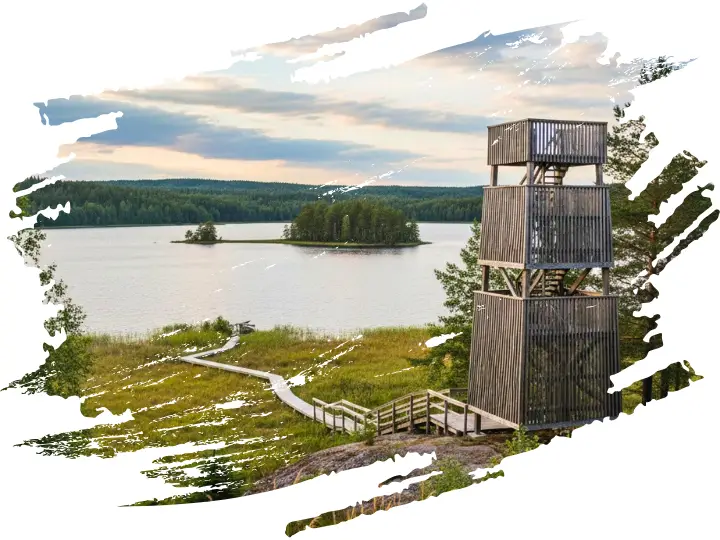
This exceptional wetland has become Southwest Finland’s premier birding location for wetland specialists.
The flooded field complex supports over 20 breeding wetland species and has recorded 163 different species in recent years.
Spring brings Slavonian Grebes in full breeding plumage—one of the few reliable Finnish sites for this species.
Garganey display in March-April, while Water Rails and Eurasian Moorhens skulk through emergent vegetation.
Migration periods see impressive wader diversity.
The observation bridge is wheelchair accessible via ramp. Arrive before 8:00 AM during spring for optimal lighting and bird activity.
The wetland lies 15 minutes by car from central Turku—easily combined with morning birding at Friskala Bay.
Littoistenjärvi Lake Circuit
A heart-shaped trail circumnavigates the shallow lake, offering varied birding habitats.
The northern Järvelä wetland provides the main attraction, but don’t neglect the forested sections where Black Woodpecker and Eurasian Nuthatch reside.
Multiple access points allow flexible itinerary planning.
Summer weekends see considerable recreational use; weekday mornings offer more peaceful birding conditions.
Friskala Bay (Friskalanlahti)
Friskala Bird Tower and Accessible Platform
Location: Hirvensalo
This easily accessible wetland near Turku city center punches above its weight for productivity.
The tower overlooks extensive reed beds and shallow bays attracting passage waders and breeding waterbirds.
Water Rails, Garganey, and Common Shelducks breed regularly.
The forest behind the tower harbors Black Woodpeckers and Eurasian Nuthatches—listen for their distinctive calls. Both a traditional tower and an accessible platform serve birders of all mobility levels.
Rauvolanlahti Nature Reserve
Rauvolanlahti Bird Tower
Access: Marked trail from Katariinanlaakso (walking path and boardwalk), or Föli bus 18
This extensive nature reserve encompasses Rauvolanlahti Bay and connects to Katariinanlaakso and Vaarniemi reserves.
The boardwalk trail crosses diverse wetland habitats, with the observation tower providing commanding views across reed-fringed shallows. During migration periods, scan for waders, gulls, and terns.
The connecting trail system allows full-day birding excursions through varied habitats. Restrictions apply April 1–July 31 to protect breeding birds—stay on designated trails.
Jurmo Island (Outer Archipelago)
Jurmo Bird Observatory
Access: m/s Baldur ferry from Pärnäs (Nauvo/Parainen), free of charge, advance booking required via Finferries system.
Duration to island: Approximately 3-4 hours
Accommodation: Seven beds at the bird station (bring sleeping bag and food)
Reservation: Contact [email protected] with proposed dates.
Jurmo represents the pinnacle of archipelago birding—a must-visit destination for serious birders despite requiring greater logistical planning.
This remote southern island has recorded 318 species since monitoring began in 1962, with over 300,000 birds ringed.
The diverse habitats range from lush forests to sandy beaches and open sea, creating a unique ecological microcosm.
Breeding species include rarities unavailable elsewhere in Finland: Little Tern (one of few breeding locations), Barred Warbler (annual with 1-3 pairs), and the southern subspecies of Dunlin.
Spring migration brings exceptional passerine fallout, thousands of European Robins, Goldcrests, and warblers can appear overnight.
Collared Flycatchers are recorded annually during spring passage.
Autumn offers the best chance anywhere in Europe for Alpine Accentor and Siberian Accentor.
Purple Sandpipers winter in hundreds, a spectacular sight for those visiting during colder months.
Shore Larks and Snow Buntings frequent beaches and fields from September through April.
Important Considerations:
- Western portions restricted during breeding season—respect all posted boundaries
- Limited facilities; full self-sufficiency required
- Weather can delay ferry returns; build schedule flexibility
- Observatory activities include standardized migration watches and ringing operations
- Basic birding identification skills expected for observatory participants
- Ferry schedule at www.finferries.fi (confirm latest schedules before travel)
Utö Island (Southern Archipelago)
Access: m/s Utö ferry from Pärnäs, advance booking via Finferries system
Duration: 4-5 hours to island
Accommodation: Limited options on island—book well in advance
Finland’s southernmost inhabited island, Utö serves as a critical stopover for migrating birds.
Annual species counts range from 215-230, with particularly impressive numbers of passage waders (Purple Sandpiper, Jack Snipe) and passerines.
The island’s position at the main gateway from the Baltic Sea to the archipelago concentrates migrants during favorable conditions.
Breeding species include substantial numbers of Common Eiders (200+ pairs), Velvet Scoters (30-40 pairs), Arctic Terns (100-120 pairs), and Common Gulls (20-30 pairs).
More unusual breeding birds include Barred Warbler, Common Shelduck, and Eurasian Eagle-Owl.
Long-eared Owls breed in some years.
Former military areas opened in 2005 now provide excellent birding access across the island.
The lighthouse and Pilot House serve as morning gathering points for seabird watching, followed by systematic searches of bushes, fields, and shorelines for resting migrants.
Autumn brings impressive raptor and owl migration.
April-May and September-October are peak migration months.
Visitor Guidelines:
- Respect local residents in the village area – avoid disturbance
- No bird ringing permitted except by authorized personnel
- Accommodation capacity limited; book early for peak seasons
- Supplies limited on island – bring essentials
Day Trip Birding
Itineraries
Itinerary 1: Ruissalo Island Circuit (Full Day)
6:00–9:00 AM: Dawn at Kuuva promontory for seabird migration watching.
Position yourself on the southern rocks with scope setup.
Record Long-tailed Ducks, scoters, divers, and any passing raptors. White-tailed Eagles often patrol at first light.
9:00–12:00 PM: Walk Kuuvanreitti trail back through oak forest.
Focus on woodland species: Tawny Owl (listen for daytime calls from roost sites), Stock Dove, Lesser Spotted Woodpecker, and various tits.
The ancient oaks host exceptional insect diversity—check dead snags for foraging woodpeckers.
12:00–1:00 PM: Lunch at Honkapirtti log cabin restaurant (traditional Finnish soup lunch, home-baked goods). Located mid-island along nature trails—atmospheric setting amidst oak groves.
1:00–3:00 PM: Visit Krottilalahti Bird Tower and explore adjacent wetlands. Spring brings dabbling ducks, waders, and woodland birds in surrounding forests.
3:00–5:00 PM: Kansanpuisto Bird Platform for afternoon waterfowl observations.
Scan offshore for sea ducks and check shorelines for waders.
Transport: Föli bus #8 from Turku city center (25 minutes), or cycle via dedicated bike path (approximately 13 kilometers from center).
Water bus operates seasonally—check schedules.
Itinerary 2: Wetland Specialist Day (Half Day)
6:00–9:30 AM: Järvelä wetland at dawn for peak bird activity. Position at bird tower for overview, then work observation bridge for close views of marsh species. Spring brings Garganey, Water Rails, Slavonian Grebe. Migration periods add wader diversity.
9:30 AM–12:00 PM: Drive to Friskala Bay (15 minutes). Explore both bird tower and forest trails behind for Black Woodpecker and Eurasian Nuthatch. Check platforms for waterfowl.
12:00–2:00 PM: Lunch in Turku city center at Market Hall (traditional Finnish fare) or riverside restaurants.
Transport: Car recommended for time efficiency, though possible via bus with schedule coordination.
Itinerary 3: Archipelago Island Adventure (Multi-Day)
Day 1: Morning ferry to Jurmo (book months in advance for summer season). Afternoon exploring island habitats: beach for waders, forest trails for passerines, western cliffs for seabirds (observe distance restrictions during breeding season). Evening at bird observatory.
Day 2: Dawn seabird watching from observation points. Systematic island coverage for migrants—check all bushes, rocky areas, and shorelines. Afternoon continued birding based on morning discoveries. Evening at observatory.
Day 3: Early morning final observations before return ferry. Transit back to mainland (4-5 hours). Afternoon birding at Ruissalo or Järvelä depending on ferry timing.
Note: Jurmo requires serious commitment and advance planning but delivers exceptional rewards. Alternative: Utö Island offers similar experiences with slightly better accommodation infrastructure.
Birdwatching Towers & Observation Infrastructure
Turku Region Tower Summary:
- Krottilalahti Tower (Ruissalo): Wetland and bay observations, oak forest access, wheelchair accessible via boardwalk
- Kansanpuisto Platform (Ruissalo): Waterfowl observation, accessible design, parking available
- Friskala Tower (Hirvensalo): Wetland and woodland combination, traditional tower plus accessible platform
- Friskala Accessible Platform (Hirvensalo): Complementary to main tower, different viewing angles
- Järvelä Tower (Littoistenjärvi): Premium wetland birding, wheelchair accessible, exceptional species diversity
- Rauvolanlahti Tower (Kaarina): Part of larger reserve system, boardwalk trail access, seasonal restrictions
All towers are free to access. Most offer some weather protection.
Arrive early during peak seasons as parking can be limited, particularly at Järvelä and popular Ruissalo locations.
Conservation & Birding Ethics
The Turku region demonstrates exemplary commitment to biodiversity conservation while balancing public access. As visiting birders, we carry responsibility to support these efforts through ethical practices.
Active Conservation Initiatives
Turku Biodiversity Programme (LUMO): The city’s comprehensive nature management strategy aims to make Turku one of the world’s leading climate and nature cities by 2030. Six thematic programs guide conservation work across urban and natural areas. The pioneering Skanssi Biodiversity Park represents Europe’s first such facility.
Ruissalo Nature Reserves: Expanded significantly in 2006 with three major protected areas: herb-rich oak forests (248 hectares), bird-rich bays and shores (94 hectares), and bird islets (10 hectares). These protections safeguard Finland’s most important oak forest ecosystem and internationally significant seabird nesting sites.
Pomponrahka Nature Reserve: Part of Finland’s nationwide mire protection program, featuring restoration work to improve bog hydrology. Important for wetland birds and rare butterfly species. Accessible via duckboard trails.
Jurmo Bird Observatory: The long-term monitoring program (since 1962) provides crucial data for conservation policy and climate research. Visitor participation in standardized protocols contributes to ongoing scientific understanding of migration patterns and population trends.
Species-Specific Conservation: Several targeted initiatives protect vulnerable species:
- Eider duck population monitoring addresses declining numbers attributed to White-tailed Eagle predation
- Little Tern breeding habitat management at Jurmo
- Great Cormorant colony management balancing population recovery with vegetation protection
- Hermit beetle conservation in ancient Ruissalo oaks

Essential Birding Ethics
Respect Seasonal Closures: Many islands and coastal areas restrict access April 1–July 31 during breeding season. These restrictions protect ground-nesting terns, eiders, and other vulnerable species. Always check signage and observe closed area boundaries. Penalties apply for violations.
Stay on Designated Trails: Particularly in nature reserves like Ruissalo’s herb-rich forests and Rauvolanlahti wetlands. Off-trail wandering damages sensitive vegetation and disturbs nesting birds. Many oak forest species depend on undisturbed undergrowth.
Minimize Disturbance at Observation Points: Use spotting scopes instead of approaching birds closely. During migration, resist the temptation to flush birds for identification—this depletes critical energy reserves. At colonies, observe from designated viewing areas only.
Respect Private Property: Many archipelago villas remain in private use, particularly on Ruissalo. Stay on public trails and beaches. Ask permission before entering private lands.
Support Local Conservation: Consider timing your visit to avoid peak breeding disturbance. Report interesting sightings to local ornithological societies—the Turku Ornithological Society (TLY) welcomes records via their website. Volunteer opportunities exist at Jurmo Bird Observatory for those with appropriate skills.
Leave No Trace: Pack out all waste. Many outer islands have limited or no waste facilities. Avoid picking plants even in unrestricted areas—many species are protected.
Special Considerations for Photography: Never bait birds or use playback to lure species closer for photography, particularly during breeding season. This causes stress and can lead to nest abandonment. Maintain ethical distances—if a bird changes behavior, you’re too close.
Recommended Equipment & Field Guides
Essential Equipment
Optics: Quality 8×42 or 10×42 binoculars serve as your primary tool.
A spotting scope (20-60x zoom) proves essential for seabird watching at Kuuva and scanning distant waterfowl on larger lakes.
Jurmo and Utö particularly benefit from scope use.
Field Guides:
- Collins Bird Guide, 3rd Edition (Svensson et al.) – The European standard, excellent for identifying archipelago specialties and distinguishing age/sex plumages
- Birds of Finland mobile app – Covers all Finnish species with calls and distribution maps
- Birds of the Turku Archipelago (available at Turku tourist information) – Local specificity for seasonal occurrences
Recording Equipment: Many serious birders use sound recording equipment to document vocalizations. Remember that playback use is strictly discouraged except for scientific purposes with appropriate permits.
Weather Protection: Finnish weather changes rapidly. Waterproof outer layers, warm mid-layers, and wind-resistant shells are essential even in summer.
Spring and autumn seabird watching at exposed promontories demands serious weather protection.
Winter birding requires Arctic-standard cold weather gear.
Additional Useful Items:
- Notebook and pencil for field notes
- Camera (though remember ethics over the perfect shot)
- Insect repellent (critical May–August)
- Headlamp for dawn starts
- Thermos with hot beverages
- Field snacks and water
Photography Considerations
The archipelago offers spectacular photographic opportunities, from oak forest moods to seabird action.
Best light occurs during early morning and evening—plan accordingly.
Respect nesting birds: the photograph is never worth disturbance.
Many of the most memorable images come from observation towers and public trails where birds habituated to human presence allow closer approach.
Getting Around

Reaching Turku
By Train: VR Finnish Railways operates frequent direct services from Helsinki (under 2 hours).
This represents the most environmentally conscious travel option.
Trains arrive at Turku Central Station, from where local buses access birding sites.
By Car: Approximately 170 kilometers from Helsinki via E18 motorway (2 hours).
Car travel provides maximum flexibility for accessing multiple sites daily, particularly helpful for dawn expeditions to distant locations.
By Air: Turku Airport (8 kilometers from city center) offers limited connections. Föli buses connect airport to city center.
Local Transportation
Föli Bus System: Turku’s excellent public bus network reaches most mainland birding locations. Key routes:
- Bus #8: Turku center to Ruissalo (25 minutes, frequent service)
- Bus 18: Access to Rauvolanlahti area
- Bus 2B/2C: Service to Järvelä wetland area
Purchase tickets via Föli app or drivers. Day passes offer best value for multiple journeys. Route information at foli.fi (English available).
Föli Water Bus: Summer-season service (typically May–September) connects Turku city center (Martinsilta Bridge) to Ruissalo Kansanpuisto (45 minutes). Scenic journey through inner archipelago. Check seasonal schedules at foli.fi.
Cycling: Dedicated bike paths reach Ruissalo (13 kilometers from center) and Littoistenjärvi (9 kilometers). Föli rental bikes available spring through autumn. Cycling combines well with birding at Ruissalo where extensive trail networks reward exploration.
Archipelago Ferry System
Finferries Operation: Free ferry services connect inhabited islands throughout the archipelago. Most ferries require advance booking via the Finferries online system (registration required). Plan archipelago trips well in advance, particularly for summer season when demand is high.
Key Ferry Routes:
Utö Route: Pärnäs (Nauvo) to Utö via multiple islands, 4-5 hours. Advance booking essential via Finferries system. This scenic journey passes through diverse archipelago landscapes.
Jurmo Route: m/s Baldur from Pärnäs (Nauvo), free of charge. Book via Finferries system weeks or months in advance for peak season.
Nauvo Routes: Multiple ferry connections from Parainen, operating every 15-20 minutes on main routes. Generally no booking required for frequent services.
Ferry schedules vary seasonally. Check current timetables at www.finferries.fi (English available). Weather can disrupt services—build schedule flexibility, particularly for outer island visits.
Archipelago Trail Driving Circuit
The famous 250-kilometer Archipelago Trail provides a scenic driving route connecting major islands via bridges and ferries. While primarily a tourism route, birders can incorporate stops at productive locations. Allow 2-3 days to drive the full circuit with adequate birding time. Ferry crossings are free on most route segments.
Dining Recommendations for Birders

Long field days demand reliable, satisfying meals.
These recommendations prioritize convenience for early starts and late returns while offering quality local cuisine.
Budget-Friendly Options (€10-€20/meal)
Kauppahalli (Turku Market Hall)
Historic 1896 market hall beside Aura River offering diverse food stalls.
Hot meal counters serve traditional Finnish fare: salmon soup, Karelian pasties, meat stews. Perfect for quick lunch between birding sessions or provisioning for field days.
Open Monday-Saturday. Closes early afternoon Saturdays; closed Sundays.
Studenternas Kök & Café
Student cafeteria-style dining, hearty portions, excellent value. Lunch buffet includes soup, main course, salad bar, bread, and beverage.
Popular with budget-conscious travelers.
Central location near Aura River.
Hesburger and Kotipizza
Finnish fast food chains, convenient for grab-and-go meals. Multiple locations throughout Turku.
Reliable option for very early departures when other establishments remain closed.

Mid-Range Options (€20-€40/meal)
Panimoravintola Koulu (Brewery Restaurant School)
Atmospheric brewery-restaurant in converted 1889 school building.
Extensive menu featuring Finnish classics with modern interpretations. House-brewed beers complement hearty portions. Popular with locals and visitors, reservations recommended for dinner.
Honkapirtti (Ruissalo Island)
Traditional log cabin restaurant mid-Ruissalo Island along nature trails.
Soup lunches, home-baked breads, cinnamon rolls. Idyllic setting under ancient oaks, ideal lunch stop during all-day Ruissalo birding sessions. Seasonal operation, typically May-September.
Köpmans Café & Restaurant (Nauvo)
Scratch-made meals using quality ingredients.
Menu reflects archipelago traditions. Convenient location near Pärnäs ferry terminal for Jurmo/Utö travelers.
Serves breakfast, lunch, and dinner. Essential fuel stop before or after outer island expeditions.
Tårget (Nauvo)
Traditional archipelago cuisine with modern presentation. Specializes in seafood and local game. Waterfront location provides scenic dining experience.
Reservations recommended, particularly summer season.

Fine Dining Options (€40-€80/meal)
Poom Restaurant
Acclaimed chef-driven restaurant focusing on Nordic ingredients and techniques. Tasting menu showcases seasonal Finnish produce.
Wine pairings available. Reservations essential—book weeks ahead for summer dining.
Kaskis
Michelin-recognized restaurant (Bib Gourmand) serving inventive Nordic cuisine.
Small intimate space, seasonal menu emphasizes local ingredients including foraged items. Limited seating; advance reservations mandatory.
Mami Restaurant
Contemporary Finnish dining with Asian influences. Creative presentations, quality ingredients, attentive service.
Central Turku location. Reservations recommended for dinner service.
Practical Dining Tips for Birders

Early Morning Challenges: Most restaurants don’t open before 10:00 AM. Stock up at grocery stores (Prisma, K-Market) for dawn field provisions: rye bread, cheese, smoked fish, and pastries.
Many accommodations offer early breakfast by prior arrangement.
Packed Lunches: For all-day field excursions, prepare packed lunches from market hall supplies or supermarkets.
Archipelago islands have extremely limited or no food services—self-sufficiency is essential for Jurmo and Utö visits.
Weather Considerations: Thermos flasks with hot beverages prove invaluable during cold-weather birding. Fill at accommodation before departing.
Dietary Requirements: Finnish restaurants increasingly accommodate vegetarian, vegan, and gluten-free diets. Specify requirements when making reservations.
Accommodation Options

Budget Options (€50-€80/night)
Turku Hostel Linnasmäki
Basic dormitory and private rooms, central location, shared facilities. Book early for summer season as Turku has limited hostel capacity. Walking distance to buses serving birding locations.
Ruissalo Camping
Situated on Ruissalo Island, offering cabins and tent/caravan sites. Prime location for dawn oak forest and seabird birding. Facilities include saunas and cooking areas. Open seasonally, approximately May-September. Book ahead for July-August.
Jurmo Bird Observatory
Seven beds, basic accommodation (bring sleeping bag and food), requires participation in observatory activities. Booking via [email protected]. Most affordable archipelago island option but requires appropriate birding skills.
Mid-Range Options (€80-€150/night)
Hotel Helka (Turku city center)
Comfortable three-star hotel, good breakfast included, close to railway station and bus connections. Efficient base for day-trip birding throughout region.
Hotel Nestor (Korpo Island)
Located on Archipelago Trail, offers comfortable rooms with archipelago charm.
Surrounded by forest trails and within reach of ferry connections to outer islands. Restaurant serving local cuisine.
Köpmans Café & Restaurant B&B (Nauvo)
Charming accommodation on Archipelago Trail, including breakfast.
Restaurant serves meals prepared from scratch with quality ingredients.
Ideal base for accessing Jurmo and Utö ferries from nearby Pärnäs.
Various Archipelago Cottages
Numerous self-catering cottages available on inhabited islands, particularly Korpo, Nauvo, and Houtskari.
Provides authentic archipelago experience with birding access. Browse options at www.finlandseaside.com and www.visitparainen.fi.

Luxury Options (€150-€250+/night)
Ruissalo Spa Hotel
Three-star spa hotel on Ruissalo Island, offering modern rooms, multiple indoor pools, saunas, and spa treatments.
Restaurant serves Scandinavian cuisine with archipelago influences. Private beach access. Balcony rooms overlook forest or sea. Ideal for combining birding with relaxation.
Note: Some rooms lack air conditioning; specify preference when booking for summer visits.
Park Hotel Turku
Premium city center location overlooking Aura River. Four-star comfort, excellent restaurant, close to all urban amenities.
Efficient base for both city attractions and day-trip birding. Breakfast buffet included.
Hotel Stallbacken (Nauvo)
Historic accommodation in renovated 1886 buildings on Grännäs Storgård Estate.
Restaurant serving local archipelago cuisine.
Located on Archipelago Trail, 300 meters from shoreline. Combines heritage atmosphere with comfortable modern amenities.

Booking Considerations
Summer (June-August) represents peak season—book accommodation 2-3 months in advance, particularly for archipelago locations and Ruissalo.
Spring and autumn birding seasons see reduced demand, often allowing more flexible booking.
Winter accommodation rarely requires advance reservations except over Christmas/New Year periods.
For multi-night stays, consider alternating between city center and archipelago locations to maximize birding diversity.
A typical week might include 3 nights in Turku city center for wetland and Ruissalo access, followed by 3-4 nights on Jurmo or Utö for intensive archipelago birding.
Budget Planning for Your Birding Trip

Budget Traveler (€60-€90/day per person)
- Accommodation: Hostel dormitory or camping (€15-€30)
- Meals: Self-catering with occasional budget restaurant meal (€25-€40)
- Local Transport: Föli day passes, cycling (€5-€10)
- Other: Field supplies, incidentals (€10)
Weekly Total: €420-€630 per person
Budget-conscious birders maximize free ferry services to explore archipelago islands, utilize Föli buses for local sites, and self-cater from supermarkets and market hall.
This approach still delivers exceptional birding while minimizing costs.
Mid-Range Birder (€120-€180/day per person)
- Accommodation: Comfortable hotel or B&B (€50-€80)
- Meals: Mix of self-catering and restaurants (€40-€60)
- Transport: Car rental shared among group, or combination of taxis and buses (€20-€30)
- Other: Field guides, equipment, entrance fees (€10)
Weekly Total: €840-€1,260 per person
Mid-range budget allows flexible transportation with car rental (split costs among traveling partners), comfortable accommodation near prime birding sites, and dining at local restaurants.
This represents the optimal balance between comfort and access to more distant locations.
Premium Birder (€200-€300+/day per person)
- Accommodation: Spa hotel, luxury B&B, or private cottage (€100-€150)
- Meals: Restaurant dining, quality local cuisine (€60-€100)
- Transport: Private car rental or taxi services (€30-€40)
- Other: Professional guiding services, premium equipment (€10-€20)
Weekly Total: €1,400-€2,100+ per person
Premium budget includes spa hotel relaxation after field days, gourmet dining experiences, and maximum flexibility for pursuing rare birds.
Consider hiring local guide services for targeted species—contact Turku Ornithological Society (TLY) for recommendations.
Additional Cost Considerations

Car Rental: €40-€80/day depending on vehicle size and season. Essential for efficient access to multiple sites daily. Split costs among traveling companions for significant savings.
Fuel: Budget €15-€25/day for regional driving. Archipelago exploration uses minimal fuel given island sizes.
Ferry Costs: Finferries services are FREE—significant advantage over many European birding destinations.
Guides: Professional birding guides charge €200-€400/day for private tours. Consider split-cost group arrangements. Most sites are self-guided; local knowledge helps but isn’t essential.
Equipment Rental: Limited availability. Bring your own optics and field guides.
For Your Travel Companions: Beyond Birding
While you scan horizons for migrating raptors or track elusive woodland warblers through Ruissalo’s ancient oaks, your non-birding companions can discover Southwest Finland’s rich cultural heritage, outdoor adventures, and unique archipelago experiences.
Cultural & Historical Attractions
Turku Castle (Turun linna)
Finland’s most visited museum, this medieval fortress dates to 1280 AD.
Exhibitions span 700 years of history from the Middle Ages through Swedish and Russian rule to independence.
The Renaissance-era ducal residence, torture chamber, and medieval banquet hall bring history alive.
Allow 2-3 hours. Café serves refreshments.
Open daily except major holidays. Located 2 kilometers from city center along riverbank—pleasant walk or bus #1.
Turku Cathedral
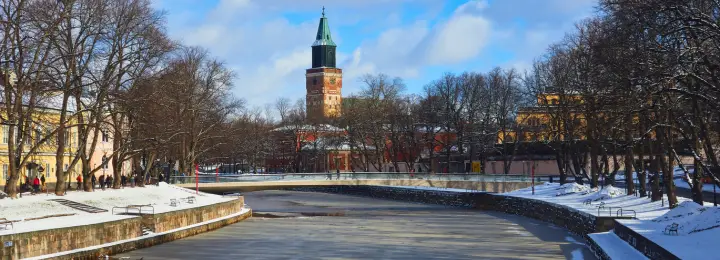
Finland’s national shrine, this 700-year-old Gothic cathedral serves as the ecclesiastical heart of Finnish Lutheranism.
The cathedral museum displays medieval religious art and historical artifacts.
Climb the tower for panoramic city views. Free entry; small fee for museum and tower.
Central location along Aura River makes it an easy visit while you’re at Järvelä wetlands.
Aboa Vetus & Ars Nova
Unique two-in-one museum combining archaeology (Aboa Vetus) with contemporary art (Ars Nova).
Underground excavations reveal medieval Turku, while the modern gallery showcases cutting-edge Finnish and international art.
Interactive displays engage visitors of all ages. Allow 2 hours. Central riverside location.
Forum Marinum Maritime Centre
Extensive maritime museum complex including historic ships (barque Suomen Joutsen), naval exhibitions, and the Aura River Museum Ship Quay.
Perfect for maritime enthusiasts and families. Several hours can easily be spent exploring the various vessels and exhibitions. Located along river walk, close to Turku Castle.
Shopping & Local Experiences

Old Great Square Market
Finland’s oldest continuously operating marketplace (1650s) comes alive with vendors selling local produce, handicrafts, and traditional foods.
Summer mornings offer the fullest experience with farmers’ stalls, flower vendors, and street food.
Sample fresh pastries and the iconic “Turkuilainen” gingerbread. Open Monday-Saturday.
Archipelago Shopping on Korpo and Nauvo
Local craftspeople sell woolens, ceramics, and traditional archipelago items.
Several galleries feature Finnish design. Köpmans (Nauvo) stocks quality local products.
Shopping opportunities remain modest compared to Helsinki but offer authentic regional character.
Hansa Shopping Centre & MYLLY
For those needing mainstream retail therapy, these central shopping centers house international and Finnish brands, bookstores, and diverse dining options.
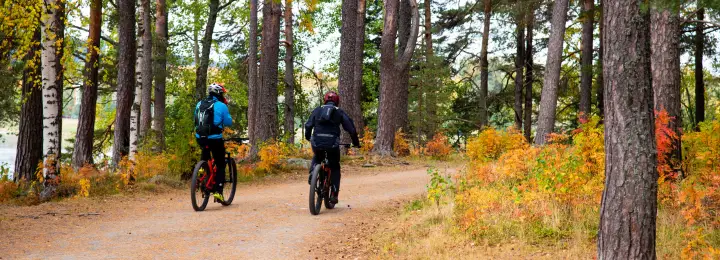
Archipelago Trail Cycling
The 250-kilometer Archipelago Trail offers spectacular cycling through varied island landscapes.
While you’re pursuing Barred Warblers on Jurmo, companions can rent bikes and explore shorter sections.
Well-maintained paths connect villages and cultural sites. E-bike rentals available for longer distances.

Sea Kayaking
Numerous operators offer guided kayaking tours through the inner archipelago.
Half-day and full-day options explore sheltered waters between islands.
No experience necessary for beginner tours. Some companies offer multi-day expeditions with island camping.
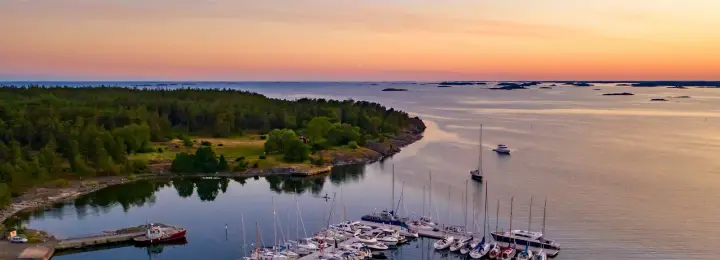
Archipelago National Park Excursions
Boat tours from Turku harbor explore the protected archipelago.
Three-hour cruises pass picturesque islands, traditional fishing villages, and historic sites. Commentary in Finnish, Swedish, and English. June-August operation.
While you’re observing nesting terns from proper distance, your companions enjoy scenic cruising and local culture.

Swimming & Sauna
Ruissalo beaches offer supervised swimming areas during summer months.
Many accommodations, including Ruissalo Spa Hotel, provide excellent sauna facilities, an authentic Finnish experience.
Public saunas operate throughout Turku.
Family-Friendly Attractions
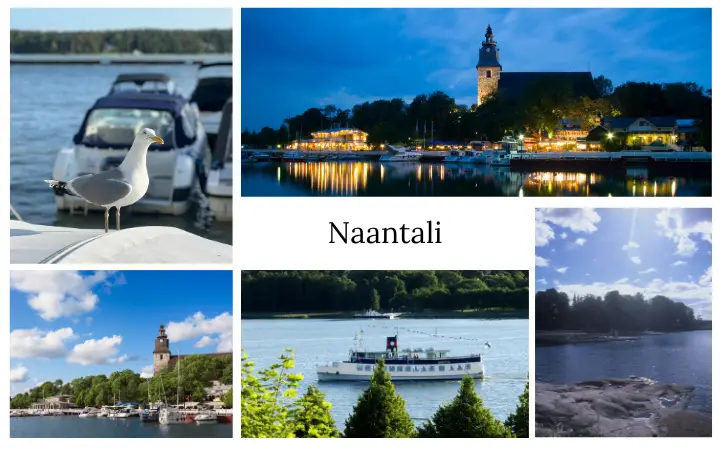
Moominworld (Naantali)
Located 15 kilometers from Turku, this beloved theme park brings Tove Jansson’s Moomin characters to life.
Ideal for families with younger children. Summer operation only. Easily combined with your birding at nearby locations.
Turku Science Centre Vega
Interactive science exhibits engage visitors of all ages.
Planetarium shows, hands-on experiments, and changing exhibitions make this popular with families.
Located in Archipelago Trail area.
Kupittaa Swimming Hall
Indoor aquatic center featuring pools, water slides, and spa facilities.
Perfect for cold or rainy days when outdoor activities lose appeal.
Year-round operation.

Culinary Experiences
Restaurant Cooking Classes
Several Turku restaurants offer short cooking workshops focusing on Finnish cuisine.
Learn to prepare traditional dishes like salmon soup or Karelian pasties.
Check Turku Tourist Information for current offerings.
Food Tours
Guided food walks explore Turku’s culinary scene, visiting market hall, artisan producers, and local restaurants.
Typically 3-4 hours including multiple tastings. Offered May-September.
Local Brewery Tours
Panimoravintola Koulu and other microbreweries offer behind-the-scenes tours explaining Finnish brewing traditions. Tastings included.
Planning for Companions
Most cultural attractions cluster in central Turku, easily reached via walking or short bus rides from wherever you’re staying.
This allows independent exploration while you pursue early morning seabird watching at Kuuva or spend full days monitoring migration at Jurmo.
Ruissalo offers companion-friendly alternatives: while you’re checking the Krottilalahti tower at dawn, family members can explore botanical gardens, visit the Villa Roma cultural center, or cycle the island’s extensive path network.
The island beaches provide swimming and picnicking options for afternoon reunions.
For multi-day Jurmo or Utö expeditions where birding dominates, consider arranging companion time in Turku before or after.
The city offers sufficient variety for 2-3 days of non-birding exploration while you’re immersed in archipelago ornithology.
Practical Information Summary
Tourist Information Centers:
- Turku Tourist Information: Market Square, Aurakatu 4; open daily May-September, weekdays only October-April
- Visit Archipelago Tourist Information: www.saaristo.info
- Tel: +358 2 262 7444
Emergency Numbers:
- General Emergency: 112
- Non-emergency Police: +358 295 480 700
Medical Services:
- Turku University Hospital Emergency Department (24/7): Kiinamyllynkatu 4-8
- City pharmacies: Multiple locations, rotating 24-hour service
Finnish Ornithological Contacts:
- Turku Ornithological Society (TLY): www.tly.fi (Finnish, some English)
- BirdLife Finland: www.birdlife.fi
- Rare bird alerts: www.tarsiger.com/turku (Finnish)
Weather Resources:
- Finnish Meteorological Institute: en.ilmatieteenlaitos.fi
- Weather apps: Foreca, YR (Norwegian Met Office)
Best Seasons:
- Spring migration: Mid-April to late May (peak: late April-early May)
- Breeding specialties: June-July (access restrictions apply many sites)
- Autumn migration: August-October (peak: September)
- Winter specialties: December-February

Language: Finnish and Swedish (both official). English widely spoken in tourism services and by younger Finns.
Key birding vocabulary in Finnish: lintu (bird), lintutorni (bird tower), luonnonsuojelualue (nature reserve).
Currency: Euro (EUR). Cards widely accepted; carry some cash for small purchases and unstaffed parking meters.
Mosquitoes: Significant June-August, particularly in wetlands and forests. Quality repellent essential.

Final Thoughts
Why Ruissalo & Turku Archipelago Should Be on Your Birding Itinerary
The Turku region offers a rare combination: exceptional birding diversity, outstanding infrastructure, and genuine accessibility.
Unlike many European hotspots where development has compromised habitat quality, Southwest Finland’s archipelago remains ecologically robust. Conservation initiatives actively protect critical areas while maintaining appropriate public access.
The ancient oak forests of Ruissalo support breeding species unavailable elsewhere in Nordic regions.
The outer archipelago islands concentrate migrants in numbers that rival famous European watchpoints. Littoistenjärvi wetlands attract rarities year after year.
Whether you’re a twitcher chasing rare migrants on Jurmo, a photographer capturing White-tailed Eagles at Kuuva, or a naturalist studying oak forest ecology, this region delivers.
Perhaps most importantly, Finnish birding culture embraces a conservation-first ethic.
Restrictions exist not as bureaucratic obstacles but as necessary protections for vulnerable species.
By visiting respectfully, contributing observations to monitoring programs, and supporting local conservation through your tourism spending, you become part of preserving these extraordinary habitats for future generations.
The Turku archipelago awaits. Pack your field guides, charge your camera batteries, and prepare for some of Europe’s finest birding in one of its most beautiful settings.
Fair winds and good birding!
This guide was researched and written in January 2026.
Conditions, access restrictions, ferry schedules, and accommodation options change over time.
Always verify current information before traveling, particularly regarding seasonal closures and ferry bookings. Report any errors or updates to help maintain guide accuracy for future visitors.