Where Siberian forest birds meet ancient Sámi culture under the dancing Northern Lights
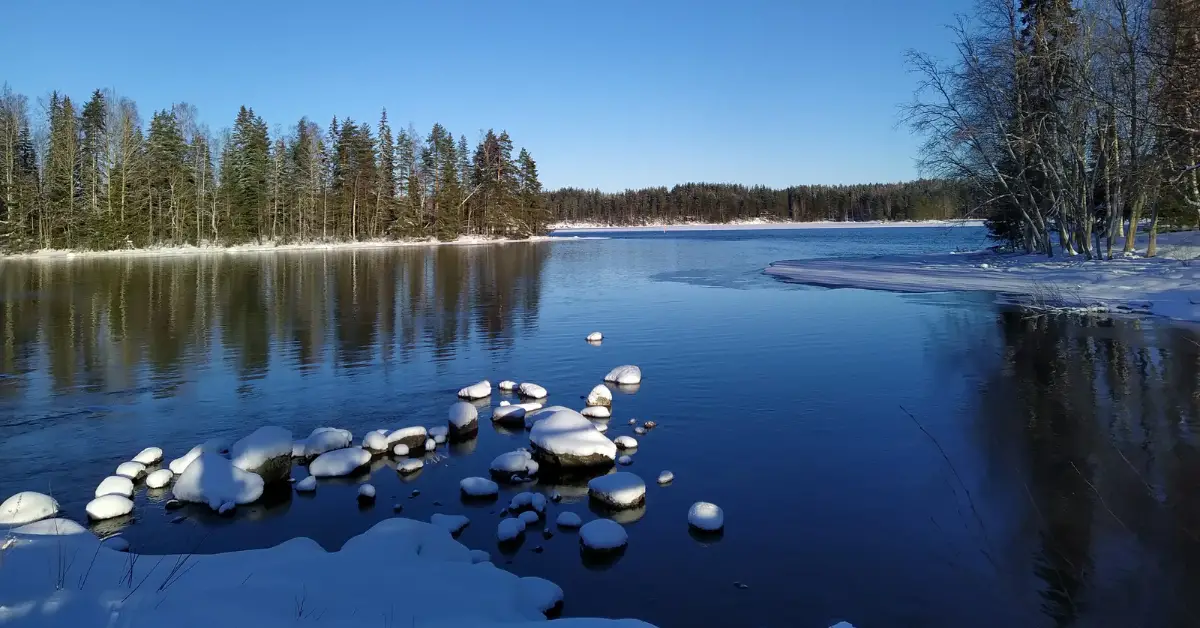
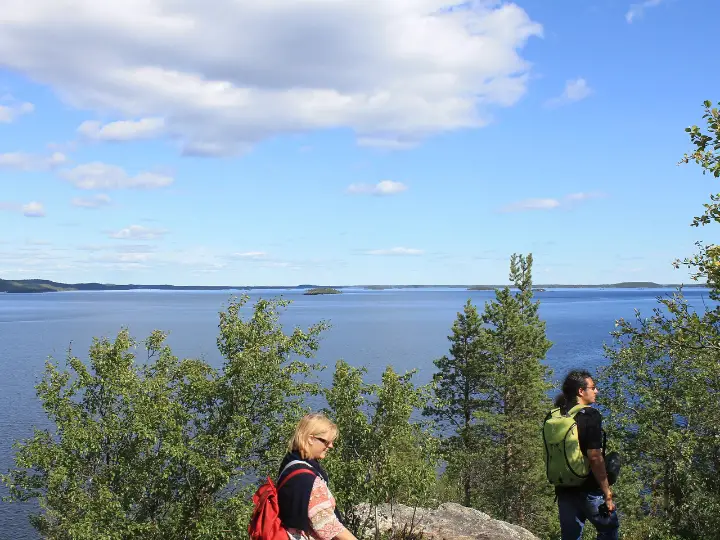
There’s something almost mystical about standing on the shores of Lake Inari at twilight, watching the last rays of Arctic sun paint the lake surrounding in shades that I never saw before.
This is Inari – a place where serious birdwatchers find species like Pine Grosbeaks, Siberian Jays, and Grey-headed Chickadees, while their travel companions discover pristine wilderness, rich indigenous culture, and adventures that create memories far beyond the bird list.

Why Inari CaptivatesBirders (And Everyone Else)
The Birding Draw: Arctic Taiga Specialties
Inari sits at the convergence of Siberian Taiga forests and Arctic tundra, creating a biodiversity hotspot for northern species.
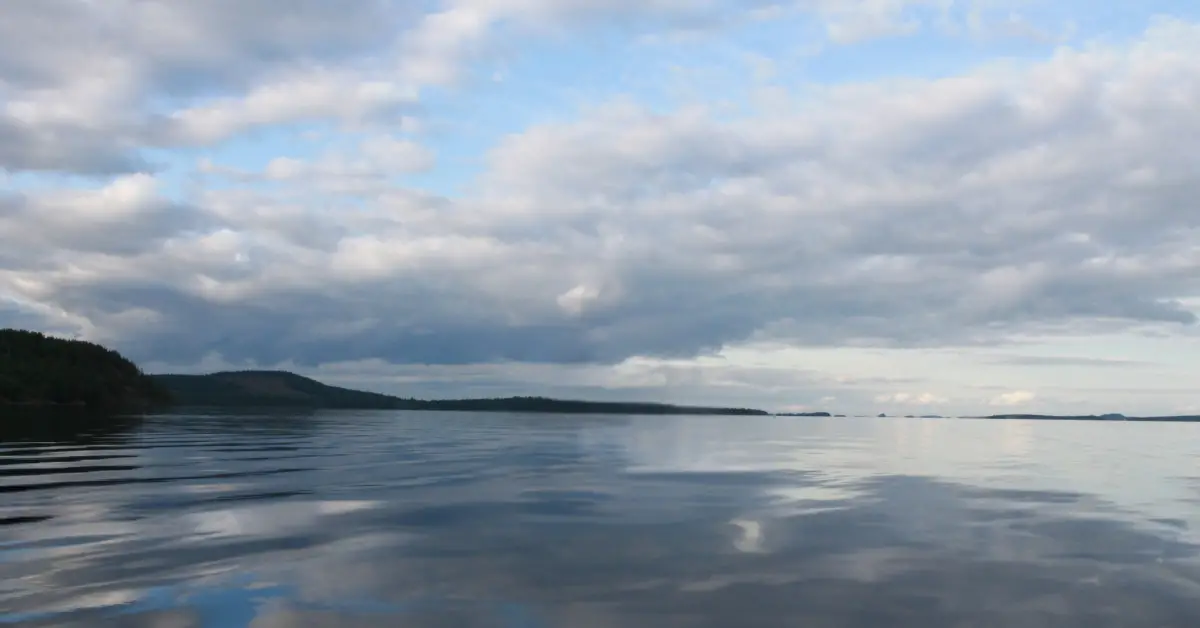
Lake Inari (Inarijärvi), Finland’s third-largest lake in Lapland, famous for its vast archipelago of over 3,000 islands and islets.
The area around Kaamanen near Inari is particularly renowned among bird photographers for species difficult to spot elsewhere.
The Star Species:
- Siberian Jay (Perisoreus infaustus): Fearless and curious, often approaching within meters at feeding stations
- Siberian Tit/Grey-headed Chickadee (Poecile cinctus): A local year-round resident
- Pine Grosbeak (Pinicola enucleator): Their rosy plumage stands out against snowy branches
- Three-toed Woodpecker (Picoides tridactylus): Found in old-growth pine forests
- Capercaillie (Tetrao urogallus): The spectacular “horse of the forest”
- Willow Grouse (Lagopus lagopus): Common in the shrubby areas
The Owl Bonanza: During good vole years, Inari becomes an owl paradise. Species include Great Grey Owl, Ural Owl, Tengmalm’s (Boreal) Owl, Northern Hawk Owl, and occasionally Short-eared Owls. The critically endangered Snowy Owl occasionally breeds in the northernmost fell areas during lemming boom years.
Waterfowl and Waders: Lake Inari’s clear waters host Red-breasted Merganser, Common Goldeneye, and Black-throated Diver, while waders thrive along the barren shorelines. In spring, the Juutuanjoki River delta becomes a critical stopover for Arctic-bound migrants
What This Means for Non-Birders
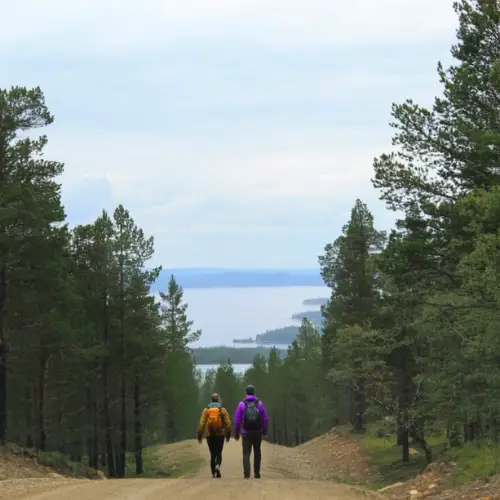
While birders scan the treetops, the same ancient pine forests offer atmospheric hiking trails where 770-year-old trees tell stories of resilience.
The feeding stations that attract Siberian Jays double as peaceful wilderness spots for morning coffee.
The lakeshores excellent for wader watching are equally perfect for sunset photography, wild swimming, and contemplative rowing.
Every birding location in Inari is inherently beautiful and accessible for all interests.
Seasonal Birding Guide (With Activities for Everyone)
Spring Migration: Late April to Mid-June
For Birders: May brings the peak arrival of insectivores including Willow Warbler, Redstart, Pied Flycatcher, and in the north, Bluethroat.
The middle of June sees summer migrants and eastern rarities reaching Lapland.
Early morning is prime time for displaying Capercaillie and Black Grouse leks.
Target Species Timeline:
- Late April-Early May: Early migrants return; Whooper Swans, Bean Geese, first waders
- Mid-May: Wader peak; Broad-billed Sandpiper, Jack Snipe, Temminck’s Stint
- Late May-Early June: Forest songbirds arrive; Bluethroat, Arctic Warbler, Little Bunting
- June: Midnight sun nesting season; all resident and migrant species present
For Everyone Else: The landscape awakens from winter’s grip.
Ice breaks on the lakes in early May, creating dramatic crystalline formations. Temperatures climb to comfortable 10-15°C.
The midnight sun begins in late May – imagine hiking at 11 PM in full daylight.
Berry picking hasn’t started, but wild flowers carpet the tundra.
Cultural programs at Siida Museum include traditional Sámi spring celebrations.
Photography Opportunities: Soft Nordic light lasts for hours. Snow-capped fells with emerging green valleys. Ice breaking on the lake. Wildlife awakening.

Breeding Season: Mid-June to July
For Birders: Nesting is in full swing. Parent birds are active and visible.
Fledglings appear by late June. This is arguably the best time for photography as birds are localized around territories and nests.
Nearby old-growth forests host breeding Capercaillie, Three-toed and Black Woodpeckers.
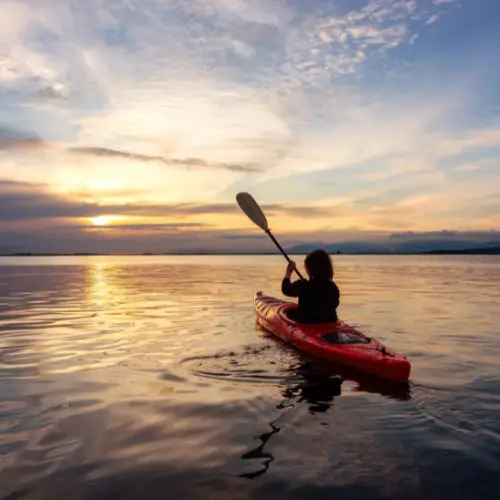
For Everyone Else: The midnight sun is magical – the sun literally doesn’t set. You can paddle Lake Inari at 2 AM in golden light.
Wildflowers are at peak bloom. Mosquitoes arrive (bring repellent!), but the trade-off is worth it.
The weather is warmest, perfect for swimming in the Arctic lake (yes, it’s cold, but invigorating).
Sámi cultural experiences are abundant, including traditional fishing demonstrations and handicraft workshops.
Family Activities: Children love the endless daylight.
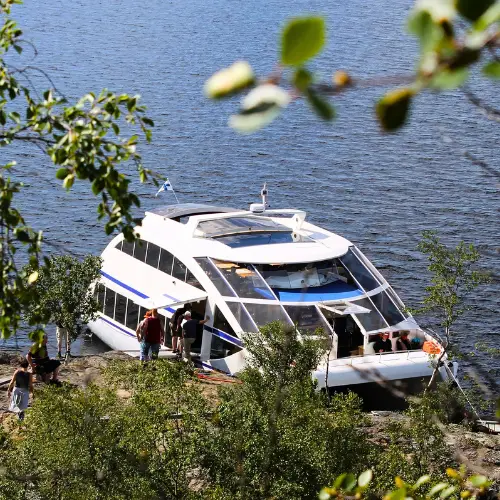
Boat cruises on Lake Inari run daily.
Safe hiking trails with minimal darkness. Berry picking begins in late July.
Autumn: Late August to October
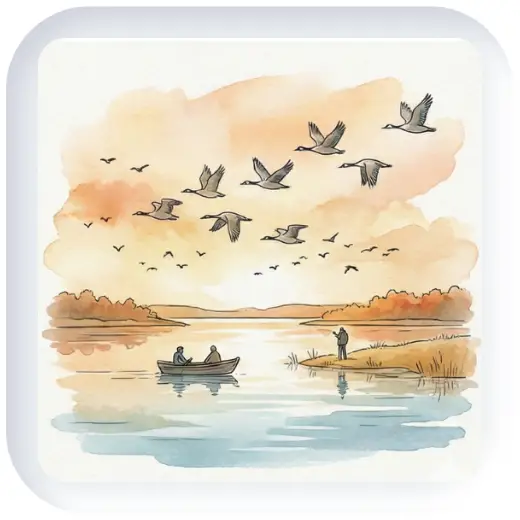
For Birders: September and October bring eastern rarities like Richard’s Pipit or Yellow-browed Warbler, plus invasions of Waxwing, Pine Grosbeak, Nutcracker, and three species of crossbill.
Rough-legged Buzzards migrate through. Resident species like Siberian Jay and Siberian Tit are easier to locate and photograph at feeding stations.
For Everyone Else: This is when I fell in love with Inari.
The ruska (autumn colors) transforms the landscape into a painter’s palette – golden birches, crimson shrubs, deep green pines. Temperatures are crisp (0-10°C) but comfortable with layers.
The Northern Lights season begins in late August, combining stunning foliage with Aurora displays.
Crowds have thinned. Everything feels more intimate and peaceful.
Why Autumn is Underrated: Better accommodation prices, restaurants less crowded, photography is exceptional (golden hour light), hiking is comfortable, and you get both autumn colors AND early Northern Lights.
Winter: November to March
For Birders: Resident species concentrate around feeding stations. Regular winter visitors include Bullfinch, Common and Arctic Redpolls, Greenfinch, Siskin, and Brambling.
During irruption years, Snowy Owls may wander far south from their Arctic breeding grounds. Great Grey Owls hunt along forest edges.
This is prime time for owl photography against snowy landscapes.
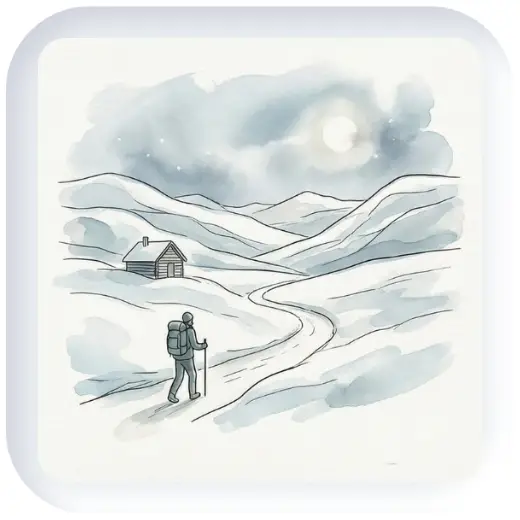
For Everyone Else: Winter transforms Inari into an Arctic wonderland.
Snow covers everything from November through April.
The Northern Lights are at their most reliable (clear, dark nights from December-March).
Temperatures range from -10°C to -30°C – cold but dry and manageable with proper clothing.
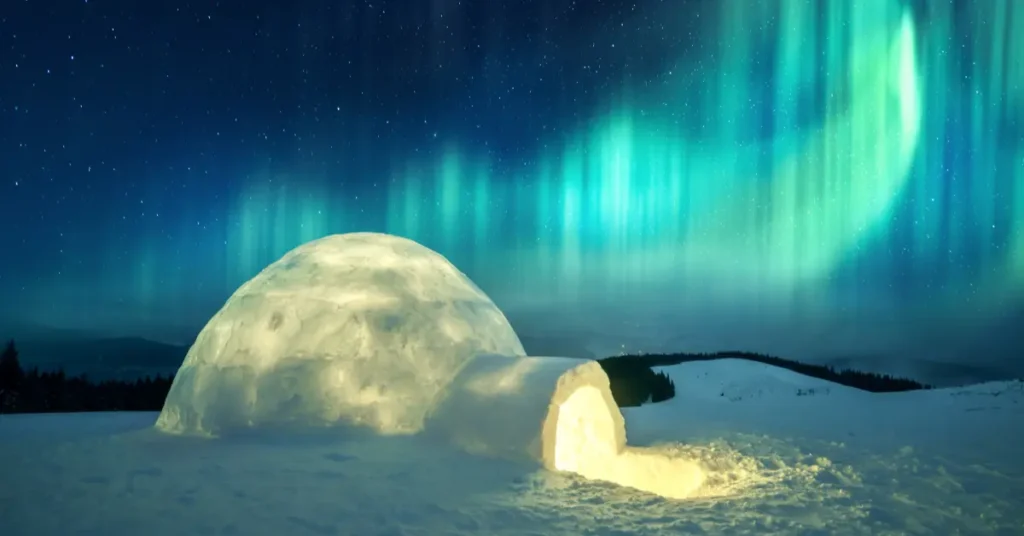
This is when luxury lodges shine with their aurora-viewing glass igloos and private saunas.
Dog sledding, snowmobile safaris, ice fishing, and cross-country skiing are all spectacular.
The Polar Night: From December to early January, the sun barely rises above the horizon, creating magical blue twilight for a few hours daily.
It sounds dark, but the snow reflects available light, and the Northern Lights dance almost nightly.
Prime Birdwatching Locations Around Inari
Kaamanen Area: The Photographer’s Paradise
Located about 30 km north of Inari village, Kaamanen is particularly renowned for bird species difficult to spot elsewhere and is especially popular with bird photographers.
What You’ll See: AT Nature operates professional feeding stations here where Siberian Jays, Siberian Tits, and Pine Grosbeaks are regularly observed and photographed at close range.
The ancient pine forest habitat also supports Capercaillie, Three-toed Woodpeckers, and Black Woodpeckers.
Guided Walks: Local operators offer bird walks starting from their backyards where Siberian Jay, Siberian Tit, and Great Tit are commonly present, with chances for Three-toed Woodpecker, Capercaillie, and Willow Grouse.
These 1-hour walks at a slow pace are perfect for all fitness levels.
For Non-Birding Companions: The same pine forests offer atmospheric hikes to ancient trees (some over 400 years old).
The hosts usually have traditional Finnish kotas (Lapp huts) where you can enjoy coffee and local pastries by an open fire while watching birds or red squirrels at nearby feeders.
Photography opportunities are excellent even if you’re shooting landscapes rather than birds.
Lake Inari and Its Islands
Lake Inari features over 100 breeding bird species, with varied habitats from clearwater shallows to forested islands and open water expanses.
Birding Opportunities:
- Waterfowl: Red-breasted Merganser, Common Goldeneye, Black-throated Diver
- Waders: Common Sandpiper thrives along barren shorelines
- Migrants: Arctic migrants like Lapland Longspur and Great Cormorant use the lake as a stopover point
For Everyone: Summer boat cruises to Ukonsaari (sacred island) combine birding with Sámi cultural history – this island was a sacred site for centuries.
You can kayak or canoe among the 3,318 islands.
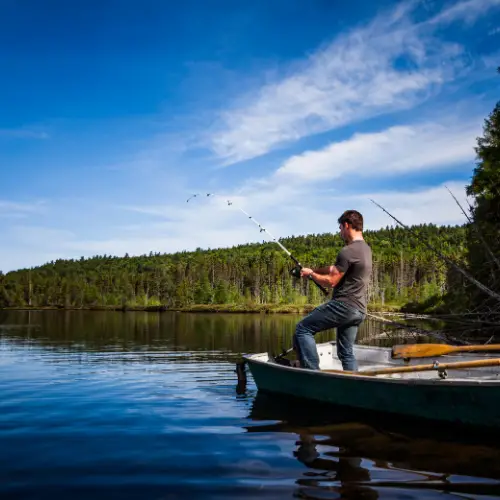
The fishing is excellent (pike, perch, Arctic char).
Sunset from a rowing boat might be the most peaceful hour you’ll ever experience.
In winter, the frozen lake becomes a vast snowmobile highway.
Juutuanjoki River
In late spring, the Juutuanjoki River’s meltwater creates a key rest stop for migratory birds.
The flowing rapids are excellent for dippers in winter.
For Birding: Prime spring migration stopover. Waders, waterfowl, and Arctic-bound species concentrate here.
The river stays partially open in winter, attracting specialized species.
For Everyone: The river offers stunning fly-fishing opportunities (grayling, brown trout). The trails alongside provide excellent hiking with rapids, waterfalls, and dramatic gorges.
Winter landscape photography is exceptional here.
Old-Growth Pine Forests
The forests around Inari contain some of the oldest trees in Fennoscandia. Karhunpesävaara Fell has pines over 770 years old.
For Birding: These forests are home to Three-toed Woodpeckers, Black Woodpeckers, Capercaillie, and specialized fungi-dependent species.
The lack of understory makes them easy to walk through and observe birds.
For Everyone: Ancient forest atmosphere is profound.
Easy walking despite rocky terrain. The famous Karhunpesäkivi (“Bear’s Nest Rock”) – a hollow rock weathered by glaciers – is accessible via a short trail.
Mushroom and berry picking in season. Peace and silence that’s increasingly rare.
Guided Birding Tours and Services
Local Specialists
AT Nature (Kaamanen): Specializes in feeding station bird photography and guided walks.
They can organize private birding or bird photography tours in Inari on request.
Their expertise with close-range photography of forest species is unmatched.
Finnature: With over 30 years of experience, Finnature offers birdwatching and wildlife photography tours throughout Finland, famous for encounters with Finland’s owls including Great Grey, Ural, Hawk, and Boreal Owls.
They offer both group tours and private excursions.
What They Offer:
- Day trips to birding hotspots
- Multi-day tours combining Inari with other Finnish locations
- Photography tours with professional hides
- Combined birding and wildlife watching (bears, wolverines available in other regions)
Cost Range:
- Half-day guided walk: €80-120 per person
- Full-day birding excursion: €150-250 per person
- Multi-day photography tours: €3,000-4,500 per person (all-inclusive)
- Private guiding: €400-600 per day for small groups
International Tour Operators
Several international companies include Inari in their Scandinavian birding tours:
Birdquest: Their Finland & Arctic Norway tours are carefully timed to avoid mosquito plagues while hitting optimal birding season, visiting Inari/Lake Inari area for species like Siberian Jay, Siberian Tit, Northern Hawk Owl, and Arctic waders.
Field Guides: Offers comprehensive Finland tours following spring migration from Helsinki to the Arctic Circle, partnering with Finnature for local expertise.
Typical International Tour Structure:
- 10-14 days covering southern Finland, Inari region, and Norwegian Arctic
- €4,000-6,000 per person all-inclusive
- Small groups (8-12 participants)
- Expert international and local guides
- All logistics handled
DIY Birding in Inari
Independent birding is absolutely feasible. Inari is safe, infrastructure is good, and many species are accessible without guides.
Resources:
- “Nature Guide to Inari Lapland and Its Bird Sites” – comprehensive guide presenting 67 places of special interest for their birds, plants, scenery, and culture, plus a unique list of bird species observed in Inari Lapland
- eBird for recent sightings and hotspots
- Local tourist information centers provide maps and current conditions
Self-Guided Approach: Rent a car at Ivalo airport, book accommodation with birding access (cabin near Kaamanen, hotel in Inari village), explore marked trails and known hotspots, use feeding stations open to public, combine with cultural and nature attractions.
The Heart of Sámi Culture: Siida Museum
Here’s why the museum matters even to serious birders: it provides context for the landscape you’re birding in.
Why Siida Enhances Your Visit
The Siida Sámi Museum and Nature Centre recently received recognition as European Museum of the Year 2024.
The current exhibition opened in 2022, offering fresh perspectives on Sámi culture and Arctic nature.
For Birders: The nature section provides excellent context on Arctic ecosystems, seasonal changes, and the relationship between indigenous peoples and the natural world.
You’ll better understand why certain species occur where they do, migration patterns through the Arctic, and how traditional Sámi land use created habitats that support specific bird communities.
For Everyone: This is genuinely one of Europe’s finest indigenous culture museums.
The exhibits are modern, engaging, and respectful. You’ll learn about:
- Traditional Sámi livelihoods including reindeer herding
- The seasonal cycle that still governs life in Lapland
- Contemporary Sámi culture and ongoing challenges
- Arctic nature and climate change
Outdoor Museum (Summer Only): Nearly 50 sites spread across 7 hectares showing traditional buildings, tools, and ways of life.
Children love the hands-on elements. Even birders will appreciate watching Siberian Jays and other species around the historical structures.
Practical Information:
- Winter hours: October 1-May 31, Mon-Sat 10:00-17:00
- Admission: Adults €15-20, Children under 16 free, Family tickets €35-45
- Time needed: 2-4 hours depending on interest level
- Location: Inari village, easy walking distance from most accommodations
Authentic Sámi Cultural Experiences
Beyond the museum, Inari offers numerous opportunities to engage with living Sámi culture:
Traditional Handicrafts (Duodji): Visit local artisans who create authentic Sámi handicrafts using traditional techniques passed down through generations.
These make meaningful souvenirs and support the local community.
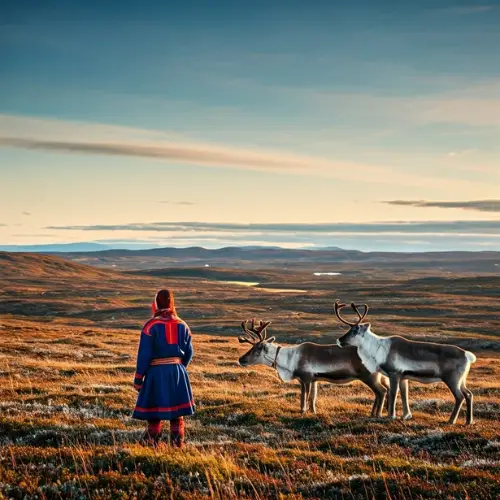
Reindeer Experiences: Several local Sámi families offer intimate reindeer encounters where you can learn about the deep spiritual connection between the Sámi people and their reindeer herds.
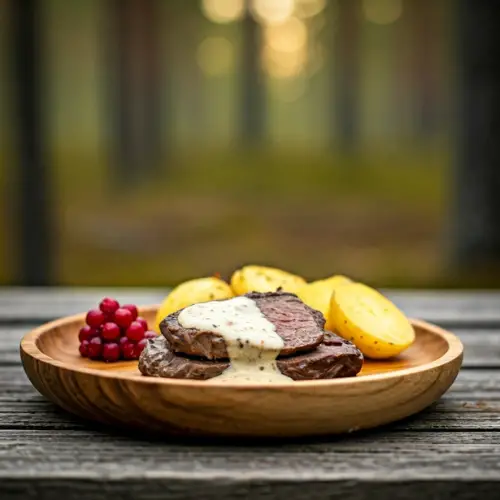
Sámi Cuisine: Try traditional dishes like reindeer soup, cloudberry desserts, and fish prepared using ancient smoking techniques.
Lake Inari: Finland's Third- Largest Lake

Lake Inari stretches for over 1,000 square kilometers, dotted with more than 3,000 islands and surrounded by pristine wilderness.
The lake is sacred to the Sámi people. You will probably understand why after spending some quality time near it.
Summer activities (June-August):
Autumn Magic

(September-October): The ruska (autumn colors) season in Inari is absolutely breathtaking.
The birch forests turn brilliant gold, creating a stunning contrast against the deep blue lake and evergreen forests.
This is also when the Northern Lights season begins, offering the magical combination of colorful foliage and Aurora displays.
Northern Lights: Inari's Crown Jewel
Inari is situated at 69°N latitude, placing it squarely in the prime Aurora viewing zone. The surrounding wilderness offers minimal light pollution, making it one of Finland’s best Northern Lights destinations.
Best viewing times:
- Season: Late August to mid-April
- Peak months: October-March
- Best hours: 9 PM – 2 AM
- Weather: Clear, cold nights with minimal cloud cover
Northern Lights Tours and Safaris in Lapland:
Budget-Friendly Options (€50-80 per person):
- Group tours with transportation to viewing sites
- 3-4 hour excursions with hot drinks and snacks
- Photography tips included
Luxury Private Tours (€200-500 per person):
- Private guides with professional photography equipment
- Heated wilderness cabins for comfortable viewing
- Gourmet meals and premium beverages
- Customized itineraries based on Aurora forecasts
Family-Friendly Options (€35-60 per child):
- Shorter tours (2-3 hours) suitable for children
- Educational components about Arctic science
- Warm clothing rental included
Pro tip: Book accommodations with Aurora wake-up calls. Many hotels and cabins offer this service, ensuring you don’t miss spectacular displays.
Accommodation:
Finding Your Base
For Serious Birders
Cabins Near Kaamanen: Book accommodations near feeding stations for dawn access. AT Nature and similar operators sometimes offer lodging.
Having a cabin with a view of feeding stations means you can bird in your pajamas with coffee.
Benefits:
- First light access to prime birding locations
- Ability to quickly respond to reported sightings
- Usually includes sauna (essential after cold morning birding)
- Self-catering kitchens keep costs down
Cost: €100-180 per night for well-equipped cabins
Luxury Options (Happy Non-Birders Guaranteed)
Wilderness Hotel Inari: Lakefront location with luxury suites, private saunas, and panoramic windows.
While birders are out at dawn, partners can enjoy spa treatments, gourmet breakfasts, and comfort.
Aurora alerts ensure everyone catches Northern Lights displays.
Cost: €250-400 per night Bonus: On-site restaurant serves excellent local cuisine Birding Access: 15-minute drive to Kaamanen, lake access for waterfowl
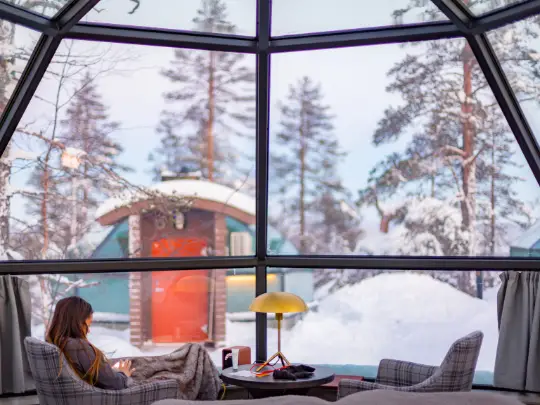
Northern Lights Village Saariselkä: Glass igloos with heated floors about 30 km from Inari. The romance factor is high – glass ceiling for aurora viewing while in bed. Modern amenities meet wilderness location.
Cost: €300-500+ per night Trade-off: Slightly farther from prime birding but spectacular for non-birding partners
Mid-Range Balance
Kultala Lakeside Cabins: Traditional Finnish log cabins with modern amenities.
Private saunas, lake access, full kitchens. Perfect compromise between birding access and comfort for everyone.
Cost: €120-200 per night Why It Works: Close enough to birding sites, comfortable enough for non-birders, spacious enough for groups, Finnish enough to feel authentic
Hotel Inari: Central village location. Easy access to Siida Museum, restaurants, shops.
Good base for both birding excursions and cultural activities.
Cost: €100-180 per night Advantage: No car needed for village amenities; good for mixed-interest groups
Budget-Friendly
Inari Camping: Summer season only. Cabins, tent sites, and RV spaces. Shared facilities but clean and well-maintained.
Good for young birders or those prioritizing field time over accommodation luxury.
Cost: €50-90 per night for basic cabins Reality Check: Minimal amenities but maximum budget for guided tours and equipment
Dining:
Fuel for Long Days

For Quick Birding Breaks
Siida Café: Located at the museum. Traditional Finnish and Sámi dishes. Perfect for lunch between morning birding and afternoon cultural exploration.
Mains: €15-25 Specialty: Reindeer soup, local fish, cloudberry desserts Advantage: Continue your museum visit after eating
Café Inari: Village center location. Best coffee in town according to locals. Homemade pastries, light meals.
Cost: €8-15 for coffee and pastries Use Case: Early morning fuel before dawn birding departure
Substantial Meals
Restaurant Aanaar: Contemporary Finnish cuisine with Sámi influences. Locally sourced ingredients including reindeer, Arctic char, wild berries.
Mains: €25-45 Wine Selection: Extensive Vibe: Upscale but not stuffy; casual birding clothes acceptable
Ravintola Kultala: Local favorite. Hearty Finnish meals. Fresh fish from Lake Inari. Traditional décor.
Mains: €18-30 Advantage: Authentic local atmosphere; where Finns eat Specialties: Lake fish prepared traditionally
Evening Relaxation
Pub Inari: Local beers and spirits. Live music on weekends. Meeting point for locals and tourists. Great for trip reports and trading birding information with other visitors.
Drinks: €6-12 Atmosphere: Casual, friendly, authentic
Aurora Bar (Various Hotels): Craft cocktails with Northern Lights themes. Premium spirits and local liqueurs.
Cocktails: €12-18 Setting: Upscale, perfect for celebrating a successful birding day
Getting to Inari Your Lapland Journey
From Helsinki (750 km)
Via Ivalo Airport (Recommended):
- Fly Helsinki to Ivalo: 1.5 hours, €150-300 depending on season
- Rent car or take bus from Ivalo to Inari: 40 km, 45 minutes
Total Time: 3-4 hours door-to-door
Why This Works: Maximizes field time. Direct access to birding areas. Car rental essential for reaching Kaamanen and dispersed birding sites.
By Car (Scenic but Long): Drive time: 8-10 hours via E75 to Sodankylä, then Route 4 to Inari
Advantage: Stop at birding sites en route (Oulu area for owls, Kuusamo for boreal forest species) Disadvantage: Long drive limits first and last day birding time

From Rovaniemi (250 km)
Many birders combine southern Finland with Inari, passing through Rovaniemi.
Drive: 3-4 hours via scenic Route 4 Bus: Regular services, 4-5 hours, €25-35
Strategic Tip: Rovaniemi area offers different habitats and species. Consider 1-2 nights there to expand your trip list.

Local Transportation
Car Rental Essential: Dispersed birding sites require private transportation. Ivalo airport has rental agencies. Book advance in peak season.
Cost: €40-80 per day depending on season Reality: Public transport won’t get you to prime early morning birding locations
Organized Tours: If you book guided birding tours, transportation to sites is typically included. This can eliminate the need for rental cars if you’re doing multiple guided days.
Practical Birding
Tips
Timing Your Visit
May 25-June 15: Peak spring migration, midnight sun beginning, comfortable weather June 15-July 15: Breeding season, midnight sun at maximum, most accessible August 20-September 30: Autumn migration, ruska colors, fewer tourists, early auroras January-March: Winter specialties, Aurora season, challenging but rewarding
What to Pack
EssentialEssential Birding Gear:
- Quality binoculars (8×42 or 10×42)
- Field guide (Collins or Killian Mullarney)
- Camera with telephoto lens if photography-focused
- Field notebook and pencil
- eBird app loaded on phone
Clothing by Season:

Spring/Autumn:
- Layering system (base, mid, outer)
- Waterproof jacket and pants
- Warm hat and gloves
- Insulated boots
- Bug net for May/June
Summer:
- Light layers for variable weather
- Rain jacket
- Sun hat
- Strong insect repellent
- Waterproof hiking boots
Winter:
- Extreme cold weather gear (down jacket, serious boots)
- Multiple layers including thermals
- Warm hat, face covering, serious gloves
- Hand and toe warmers
- Sunglasses for snow glare
Birding Ethics
- Keep distance from nests and sensitive sites
- Never use playback for owls or other sensitive species without landowner permission
- Stay on established trails
- If visiting feeding stations, respect property owners’ rules
- Report significant sightings to eBird and local birding networks
- Consider contributing to local conservation through tour operators
Language

Most people in tourism speak English. Field guides and tour operators are bilingual. Learning a few Finnish phrases is appreciated:
- “Kiitos” (key-toss) = Thank you
- “Hyvää huomenta” (hoo-vah hoo-men-tah) = Good morning (useful for early birding starts!)
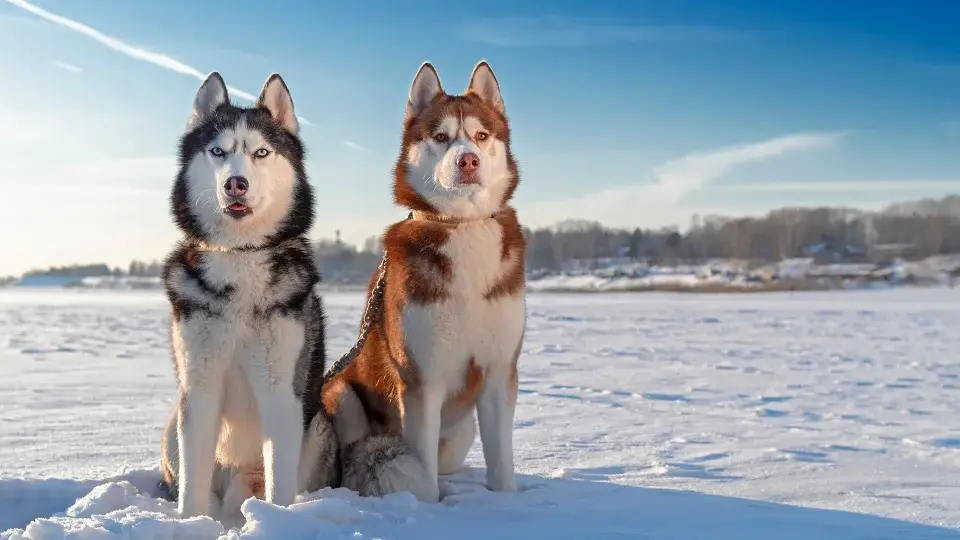
Winter Wonderland (December-March)
What to expect:
- Temperatures: -10°C to -30°C
- Snow-covered landscapes
- Northern Lights at their peak
- Polar night period (December-January)
Best for:
- Northern Lights enthusiasts
- Winter sports lovers
- Luxury travelers seeking unique experiences
- Couples wanting romantic getaways
Activities:
- Aurora hunting
- Cross-country skiing
- Ice fishing
- Dog sledding
- Snowmobile safaris
Spring Awakening (April-May)
What to expect:
- Temperatures: -5°C to +10°C
- Longer daylight hours
- Snow melting and ice breaking
- Migrating birds returning
Best for:
- Budget-conscious travelers
- Photography enthusiasts
- Those seeking fewer crowds
- Wildlife watchers
Activities:
- Spring Aurora displays
- Bird watching
- Photography workshops
- Cultural experiences
Midnight Sun Summer (June-August)
What to expect:
- Temperatures: +10°C to +20°C
- 24-hour daylight
- Lush green landscapes
- Active wildlife
Best for:
- Families with children
- Hiking enthusiasts
- Cultural tourists
- Those wanting comfortable weather
Activities:
- Midnight sun photography
- Boat cruises
- Hiking and camping
- Cultural festivals
- Fishing
Autumn Colors (September-November)
What to expect:
- Temperatures: +5°C to -5°C
- Spectacular autumn foliage
- Early Northern Lights
- Crisp, clear days
Best for:
- Photographers
- Couples seeking romance
- Those wanting the best of both seasons
- Luxury travelers
Activities:
- Ruska (autumn colors) viewing
- Early Aurora season
- Hiking in comfortable weather
- Cultural experiences
- Berry picking
Winter essentials:
- Layers of warm clothing
- Waterproof outer shell
- Insulated boots
- Warm hat and gloves
- Thermals and wool socks
- Sunglasses (snow glare)
Summer necessities:
- Light layers for variable weather
- Rain jacket
- Hiking boots
- Insect repellent
- Sun hat and sunscreen
- Swimwear (for brave souls!)
Budget breakdown:
- Budget travel: €50-80
- Mid-range: €100-200
- Luxury: €300-500+
- Credit cards accepted everywhere
- Cash useful for small purchases
- ATMs available in Inari village
Medical facilities:
- Inari Health Center for non-emergency care
- Nearest hospital in Rovaniemi
Travel insurance recommended
- Weather can change rapidly
- Inform someone of your hiking plans
- Carry emergency supplies in wilderness
- Respect wildlife and maintain safe distances
Respecting Sámi culture:
- Ask permission before photographing people
- Purchase authentic handicrafts from certified artisans
- Learn basic Sámi greetings
- Respect sacred sites and natural areas
Finnish customs:
- Sauna culture is important – follow local etiquette
- Silence is valued – don’t feel obligated to make constant conversation
- Personal space is important
- Remove shoes when entering homes
Budget Planning
Sample Budgets (Per Person, Per Day)
Budget Birding Trip:
- Accommodation: €50-80 (camping/basic cabin)
- Food: €30-40 (self-catering mostly)
- Transport: €20-30 (car rental split)
- Activities: €50-100 (occasional guided walks)
- Total: €150-250/day
Mid-Range Balanced Trip:
- Accommodation: €120-180 (good cabin/hotel)
- Food: €50-70 (mix of self-catering and restaurants)
- Transport: €30-40 (car rental)
- Activities: €100-150 (mix guided/independent)
- Total: €300-440/day
Luxury Comprehensive Experience:
- Accommodation: €250-500 (luxury hotel/glass igloo)
- Food: €80-120 (restaurants, premium meals)
- Transport: €40-60 (car rental/private transfers)
- Activities: €200-400 (guided tours, cultural experiences)
- Total: €570-1080/day
Money-Saving Tips
- Visit shoulder seasons (May, September) for lower accommodation rates
- Self-cater breakfasts and lunches, dine out for dinner only
- Book accommodation with kitchen facilities
- Combine DIY birding with selective guided tours for target species
- Travel in small groups to share car rental and accommodation costs
Why
Inari Works for Mixed Groups
Keeping everyone happy when one person is obsessed with birds and others… aren’t?
The Inari Advantage
Parallel Enjoyment: Prime birding locations are inherently beautiful.
While you’re watching for Siberian Tits in old-growth forest, your partner can photograph ancient trees, your friend can meditate in nature’s silence, and children can explore safely.
Flexible Pacing: Birding mornings (5 AM-10 AM) are most productive. That leaves afternoons free for shared activities: museum visits, boat cruises, hiking, cultural experiences. Everyone gets what they need.
Genuine Quality Experiences: Non-birders aren’t stuck with “filler activities.” The Siida Museum is world-class.
Lake Inari’s beauty stands alone. Sámi culture is fascinating independent of birds. The Northern Lights are magical for everyone.
Your travel companions get a legitimate Lapland experience, not just time-killing while you bird.
Accommodation Options: Luxury lodges mean non-birders can be pampered while you’re in the field.
Cabins with saunas mean everyone has their own daily reward. Glass igloos mean shared aurora experiences that everyone values equally.
Shared Meals: Reindeer stew tastes excellent whether or not you saw a Siberian Jay that morning. Local restaurants and cafés become collective pleasures.
The Aurora Equalizer: Northern Lights are the great unifier. Everyone wants to see them.
Everyone stays up late. Everyone feels the same wonder. This shared experience balances the individualized daytime activities.
Sample Itineraries for Mixed Groups

3 Days / 2 Nights:
Day 1:
- Morning: Arrive Ivalo, drive to Inari, check into accommodation
- Afternoon: Siida Museum together (2-3 hours)
- Evening: Dinner in village, aurora watching if clear
Day 2:
- Early Morning: Birders to Kaamanen feeding station walk (3 hours)
- Late Morning: Regroup for Lake Inari boat cruise together
- Afternoon: Free time (birders to Juutuanjoki River, others to handicraft shops or sauna)
- Evening: Restaurant dinner, aurora photography
Day 3:
- Morning: Guided birding tour for interested parties, old-growth forest hike for others, meet for lunch
- Afternoon: Depart for Ivalo airport
5 Days / 4 Nights:
Day 1:
- Arrive, settle in, explore Inari village together
- Evening: Aurora watching introduction
Day 2:
- Morning: Full guided birding tour to multiple habitats
- Afternoon: Siida Museum for everyone
- Evening: Traditional Sámi cultural program together
Day 3:
- Dawn: Birders to Capercaillie lek or owl site
- Late Morning: Lake Inari kayaking or boat cruise together
- Afternoon: Split activities (birding continuation or village exploration)
- Evening: Reindeer experience and dinner
Day 4:
- Morning: Ancient pine forest hike together (birders watch/listen, others photograph/enjoy)
- Afternoon: Free time for individual interests
- Evening: Fine dining, aurora watching
Day 5:
- Morning: Final birding site or relaxed breakfast
- Depart
7+ Days:
With a week, you can add day trips to nearby areas (Utsjoki for fell species, Norwegian border for Arctic specialties), more intensive birding for those interested, more luxury and cultural experiences for others, and truly relax into Lapland’s slower pace.
Final Thoughts: Why Inari Transcends the Bird List
Whether you’re chasing your 500th species or your first glimpse of the Northern Lights, whether you’re photographing owls or photographing autumn colors, whether you’re seeking Siberian specialties or simply seeking peace – Inari welcomes you.
The midnight sun illuminates old-growth forests where Siberian Jays call.
The aurora dances over sacred Sámi sites.
And somewhere between the bird sightings and the cultural discoveries, between the wilderness and the warmth, you’ll find your own reason to return.