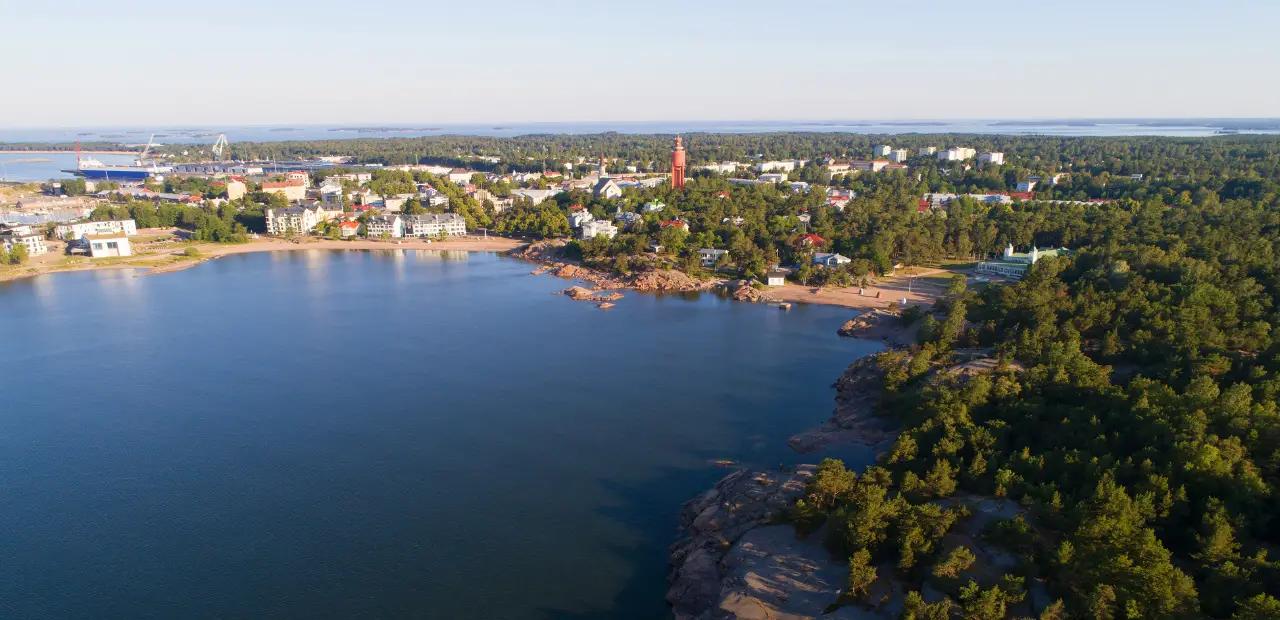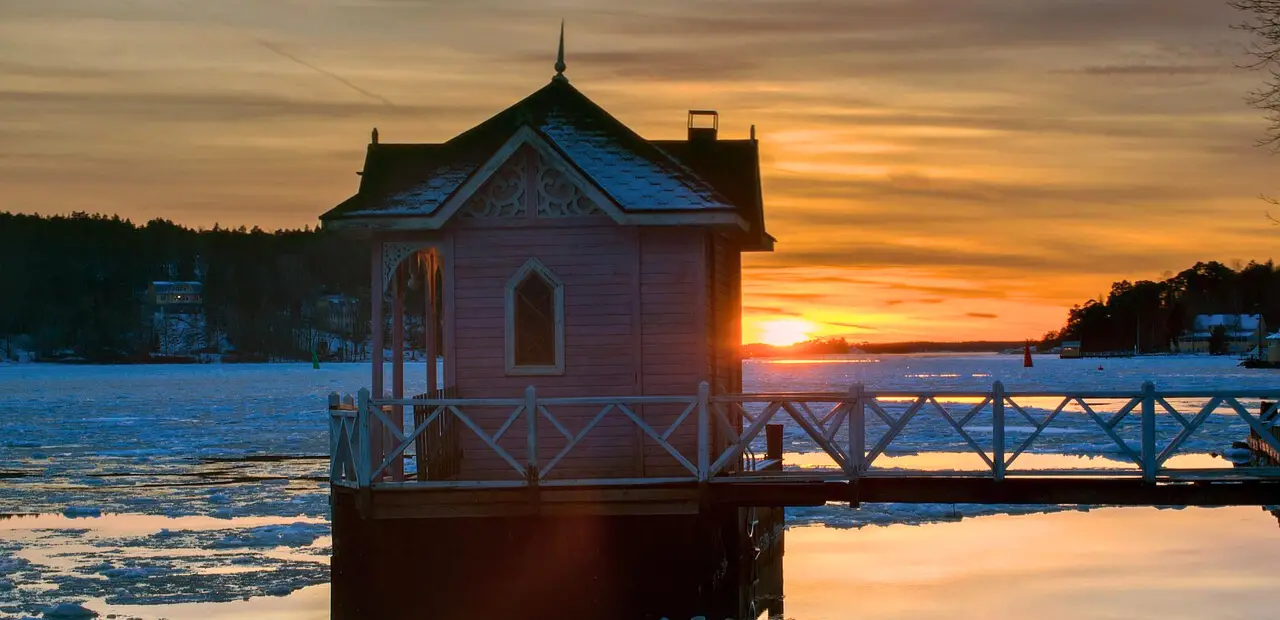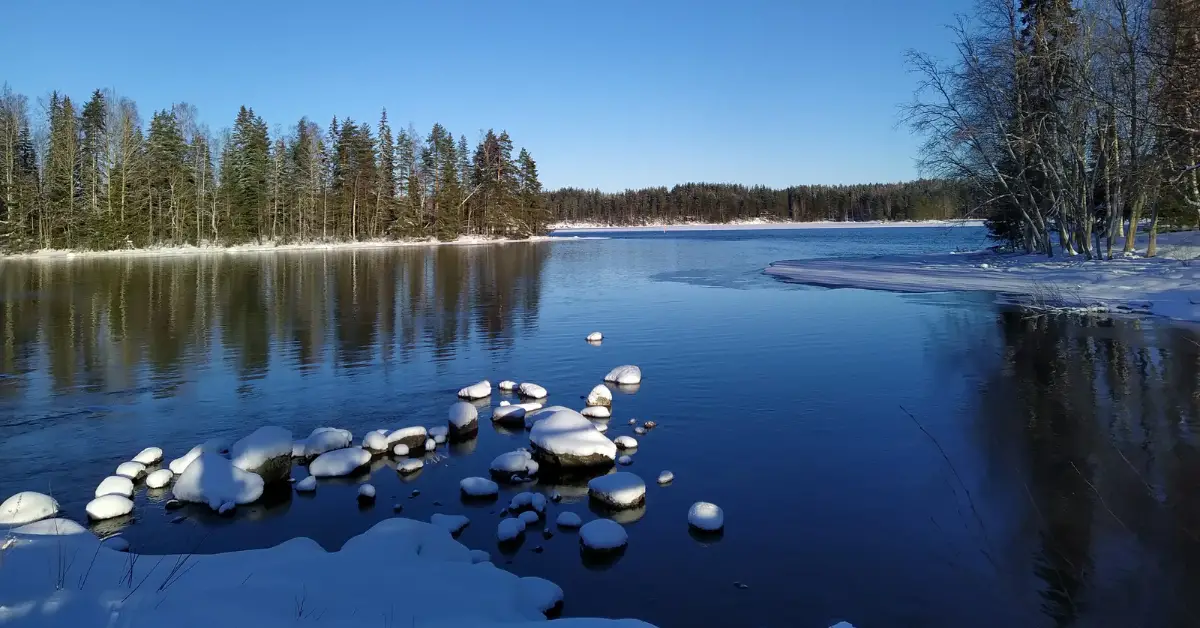
Where white-tailed eagles soar over city waters and 300+ bird species share space with design museums.
Welcome to Helsinki – a city that somehow manages to be both a world-class birding destination and a vibrant Nordic capital.
With nearly 300 bird species recorded in the greater Helsinki area and some of Europe’s most accessible urban wetlands, this is where serious birders can tick off rarities in the morning and enjoy cutting-edge Nordic cuisine by evening.
Whether you’re planning a family trip to Finland, seeking an independent tour, or organizing a luxury private journey, Helsinki offers exceptional birdwatching opportunities that make it far more than just a gateway to the north.
Having lived in Helsinki for over a decade, I can tell that this city’s birdlife never ceases to amaze.
Where else can you watch a white-tailed eagle hunt just five kilometers from a capital city’s center, or spot Arctic migrants feeding alongside urban commuters?
Why Helsinki Should Be Top Every Birder's Finland Itinerary
Helsinki isn’t just Finland’s capital; it’s one of Europe’s most remarkable urban birding destinations.
The Vanhankaupunginlahti bay system – encompassing the Viikki-Vanhankaupunginlahti Nature Reserve – ranks among Finland’s most important wetland areas and sits practically within the city limits.
With approximately 300 species recorded, of which over 110 breed locally, and tens of thousands of migrants passing through during peak seasons, Helsinki offers world-class birding without sacrificing urban amenities.
The city’s unique position on the Gulf of Finland migration flyway means that massive numbers of Arctic waterbirds funnel through here each spring and autumn.
Add to this the recent colonization by species like white-tailed eagle and northern goshawk – both traditionally shy of urban areas – and you have a birding destination that’s rewriting the rules about what’s possible in a capital city.
For non-birding companions: Helsinki seamlessly blends nature and culture, so while birders scan the wetlands, others can explore outstanding museums, innovative restaurants, and Nordic design shops – all within easy reach of the birdwatching sites.
Viikki Nature Reserve & Keinumäki Birdwatching Tower: Helsinki's Birding Crown Jewel
The Viikki-Vanhankaupunginlahti Nature Reserve represents one of Finland’s most valuable bird sanctuaries and certainly its most accessible.
This mosaic of shallow water, reedbeds, wet meadows, and forests has been carefully managed since the late 1990s through a major EU-funded conservation project that restored vital habitats and created exceptional viewing infrastructure.
The numbers tell an impressive story: approximately 2,500 breeding pairs representing 110 different species nest here annually.
During migration peaks, up to 10,000 individuals each of ruff and wood sandpiper stage at the site.
Over 300 different bird species have been recorded in the bay area – that’s more than a third of Finland’s total avifauna, right within the city limits of Helsinki.
What makes Viikki truly exceptional is its diversity. The reserve encompasses various habitat types, each attracting different species.
The extensive reedbeds host sought-after species like Eurasian bittern (which winters surprisingly close to the area), bearded tit, and several Acrocephalus warblers including great reed warbler.
The wet meadows support breeding common snipe, ruff, and spotted redshank, while the shallow waters attract massive numbers of dabbling ducks, waders, and diving birds.

The Keinumäki tower stands as the crown jewel of Helsinki’s birding infrastructure, and considering Finland has more birdwatching towers per capita than any nation on Earth, that’s saying something.
Located in the heart of Viikki Arboretum with commanding views over the wetlands and the Säynäslahdenpuro creek, this well-maintained structure offers panoramic vistas across prime habitat.
In spring 2023, Keinumäki ranked third among all Finnish birdwatching towers in BirdLife Finland’s annual tower competition, with observers recording an astounding 102 species in just eight hours.
This speaks volumes about the site’s productivity and diversity.
The tower overlooks the Säynäslahdenpuro creek, which remains partially unfrozen even in early spring, attracting grey herons and occasionally the elusive Eurasian bittern seeking flowing water.
The surrounding meadows and reedbed edges provide excellent habitat for marsh harrier hunting, while the adjacent winter feeding station draws a variety of passerines.

Spring (April-May): Peak migration season transforms Viikki into a birding spectacle.
Massive flocks of Arctic-bound waterbirds stage here, including whooper swan, bean goose, and impressive numbers of waders.
This is prime time for ruff displaying on the meadows, wood sandpiper calling, and the arrival of warblers filling the reedbeds with song.
Sedge warbler and reed warbler are everywhere, while marsh warbler and the rarer great reed warbler claim reed territories.
Early mornings in May can produce 50+ species.

Summer (June-August): Breeding season activity peaks in June.
Listen for bittern booming at dawn and dusk, watch bearded tits carrying food to nests deep in the reeds, and scan for marsh harrier quartering the wetlands.
The grazing meadows support breeding waders and a spectacular evening chorus of nightingales.
Reed bunting, citrine wagtail (a recent colonist that’s become a Viikki specialty), and various willow warblers keep birders busy.
The nearby Loppi island hosts breeding grey heron and great cormorant colonies, while white-tailed eagle makes regular hunting forays.

Autumn (August-October): Autumn migration brings different species composition than spring. Gadwall, wigeon, tufted duck, pochard, and greater scaup gather in impressive numbers.
Wader passage includes dunlin, spotted redshank, and various other species in striking autumn plumage.
This is also excellent for observing raptor migration, with honey buzzard, marsh harrier, and occasionally rarer species passing overhead.
Late autumn concentrations of ducks can be spectacular.

Winter (November-March): While quieter, winter birding at Viikki has its own rewards.
Open water areas attract goldeneye, goosander, and other diving ducks. The winter feeding station near the tower becomes a magnet for passerines.
Early spring brings grey heron back to ice-free sections, and by late winter, the first migrants begin arriving – whooper swan and bean goose announce that another spectacular migration season approaches.
Practical Information:

Access: Bus stops along Viikintie road provide excellent access. Parking available near the Gardenia building (Helsinki University campus area) and at Hakalanniemi (Hakalantie 1)
Facilities: Multiple viewing towers and platforms (Keinumäki, Hakala, Lammassaari, Purolahti), accessible boardwalks, information boards, seating areas
Entry: Free, open year-round, 24/7
Best times: Early morning generally best; migration peaks typically mid-morning to early afternoon
Equipment: Binoculars essential, telescope recommended for waders and distant waterbirds. The distances can be significant.
Accessibility: Several platforms are wheelchair accessible, including Lammassaari and Hakala. Keinumäki involves stairs.
White-tailed Eagles: Helsinki's Most Remarkable Urban Wildlife Story
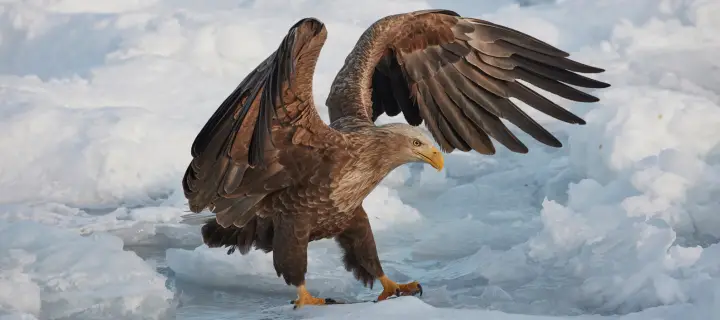
Perhaps no species better illustrates Helsinki’s conservation success than the white-tailed eagle.
In 2020, a pair nested on Loppi island in Vanhankaupunginlahti – just five kilometers from Helsinki’s city center – marking the first time this species had bred in such an urban environment anywhere in Finland or Europe.
This was headline news not just in Finland but across the birding world.
The story becomes even more remarkable when you understand the species’ history. In the 1970s, white-tailed eagles teetered on extinction’s edge with only 35 breeding pairs remaining in Finland, their population devastated by DDT and PCB pollution.
In 1975, merely four chicks fledged across the entire country.
A heroic conservation effort involving winter feeding programs with uncontaminated food slowly restored the population.
Today, hundreds of pairs breed in Finland, and the species has been removed from the threatened list.
The Helsinki eagles, affectionately named Nadi and Amalia after a 19th-century fisher couple who lived in the area, chose to build their nest in an old grey heron nest on tiny Loppi island.
Despite nesting alongside a colony of 80+ cormorant pairs and 50+ grey heron pairs (whose eggs they occasionally raided), the eagles successfully raised three chicks in 2020 – unusual since white-tailed eagles rarely produce triplets.
This breeding success demonstrates both the eagles’ adaptability and Helsinki’s ecological health.
The birds feed primarily on fish from the surrounding waters, particularly bream and other species abundant in Vanhankaupunginlahti.
Their presence has been documented via a live webcam stream that captivated nature enthusiasts across Finland and beyond.
While the eagles haven’t nested at Loppi every year since 2020, they continue to visit the area regularly.
Birdwatchers have good chances of spotting white-tailed eagle throughout the year at Vanhankaupunginlahti, particularly from November through April when individuals concentrate along the coast and at areas with open water.
Best viewing locations for white-tailed eagles:
Lammassaari birdwatching tower and platform (views toward Loppi island)
Keinumäki tower (regular hunting forays observed)
Hakala platform
Kivinokka platform (occasional sightings)
Best viewing times:
Year-round presence, though breeding season (April-July) historically offered best odds when birds were tied to nest
Winter months (November-March) can be excellent as eagles concentrate near open water and feeding opportunities
Early morning and late afternoon generally most productive

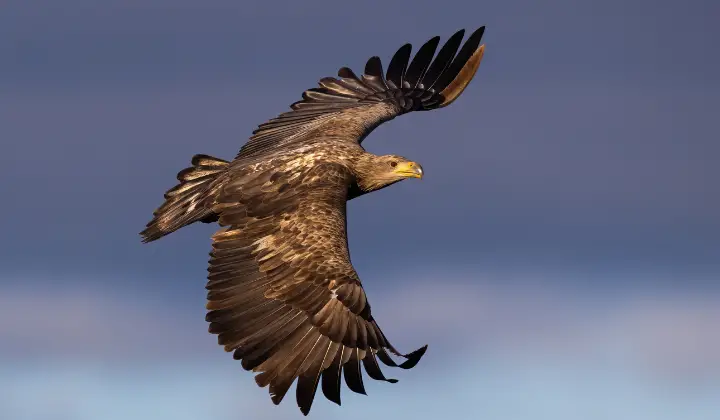
What to look for: This is Europe’s largest bird of prey with a massive 2.4-meter wingspan.
Adults show distinctive white tail, yellow bill, and brown plumage.
Juveniles are darker overall and lack the white tail, gaining adult plumage over several years.
In flight, note the broad, plank-like wings held flat – very different from the V-angle of golden eagle.
The flight is powerful and direct with slow, deep wingbeats.
Other Premier Birdwatching Sites in Helsinki
Lammassaari Area
Connected to mainland via accessible boardwalk from Pornaistenniemi, Lammassaari offers multiple viewing opportunities including an accessible platform and a higher traditional tower.
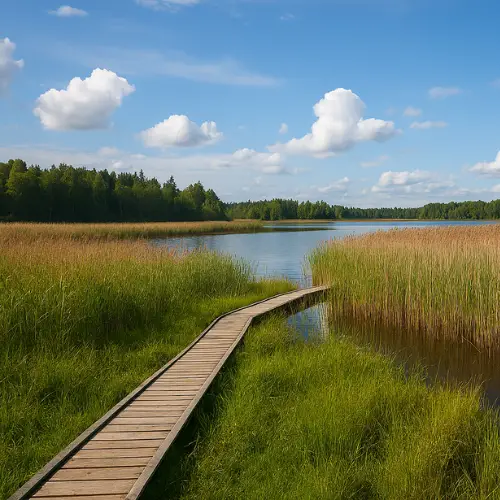
The over-3-kilometer boardwalk trail through reedbeds and across open water provides intimate views of wetland birds.
The coastal meadows here are managed through traditional grazing (Finncattle cows and sheep visible May-September), maintaining optimal habitat for breeding waders, pipits, and wagtails.
Yellow wagtail and meadow pipit sing from fence posts, while stock dove and starling feed in the meadows.
The shoreline slurries attract impressive numbers of waders April through October – bring a telescope for dunlin, spotted redshank, and ruff.
Evening brings nightingale concerts that echo across the wetlands.
Goldfinch and greenfinch are common, and the area regularly produces sightings of deer and red fox.
The views toward Loppi island make this a prime white-tailed eagle spotting location.
Kivinokka Birdwatching Platform
Accessible via a 330-meter nature trail from Herttoniemi metro area, the Kivinokka platform overlooks the reedy Saunalahti waters.
This site offers a different habitat composition with excellent views of great crested grebe and coot nesting.
The surrounding old-growth forest (some of Helsinki’s oldest spruces) provides habitat for goldcrest, coal tit, treecreeper, and great spotted woodpecker.
Late summer and autumn bring concentrations of gadwall, wigeon, tufted duck, pochard, and greater scaup.
Marsh harrier hunts across the area, and the surrounding forest occasionally hosts eagle owl.
The platform offers excellent opportunities for combining woodland and wetland birding in a single location.
Seasonal note: Reed warbler sings from the Saunalahti reeds in summer, while great reed warbler favors the sturdier reed stands – their completely different songs are excellent field identification practice.
Laajalahti Nature Reserve
(Villa Elfvik)
Located in Espoo but easily accessible from western Helsinki, Laajalahti offers another excellent wetland birding option.
Villa Elfvik Nature House provides a birdwatching tower with accessible ramp and a 700-meter accessible nature trail.
The reserve hosts similar species to Vanhankaupunginlahti but with less visitor pressure, making it attractive for more sensitive species.
Uutela Nature Park
Located in eastern Helsinki’s Vuosaari district, Uutela represents a different birding environment – coastal forest and rocky shoreline rather than wetlands.
The park offers hiking trails through pristine forest with good populations of woodland species.
The rocky coastline attracts coastal passage migrants, and the adjacent beach and café (Café Kampela) make it an excellent spot for combining birding with family activities.
Additional Notable Sites
Munkkiniemi: This western district’s tree-lined streets and proximity to sea create excellent habitat for urban woodland species and passage migrants.
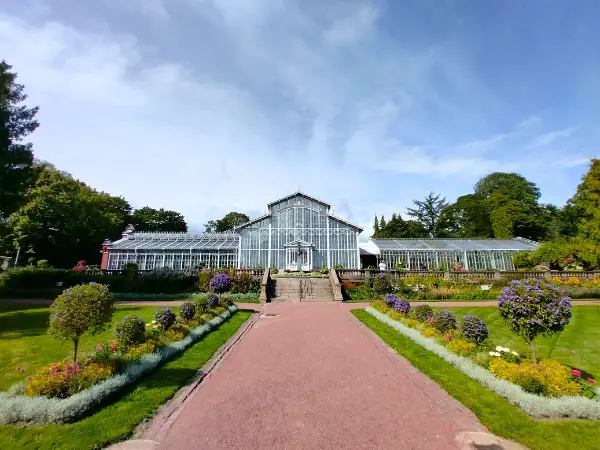
Helsinki Winter Garden: While primarily a botanical garden, the surrounding Töölönlahti bay area attracts waterbirds year-round.
Seurasaari Open-Air Museum: The forested island setting provides excellent woodland birding, particularly during migration. The museum’s historical buildings attract cavity-nesting species.

Essential Birding Through Helsinki's seasons
Spring Migration (April-May): The Arctic Highway
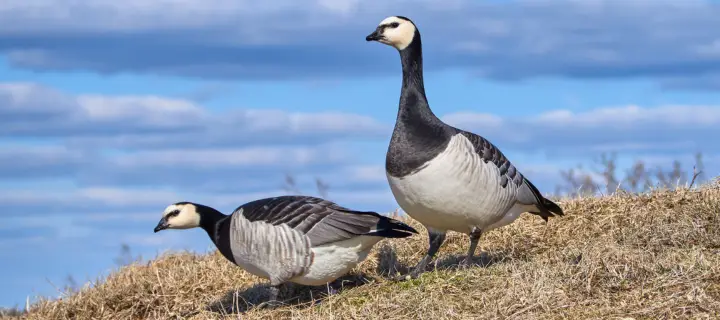
Spring in Helsinki means one thing to birders: Arctic migration.
The Gulf of Finland serves as a major flyway for millions of waterbirds heading to breeding grounds across northern Russia and Scandinavia.
Peak migration typically occurs from late April through mid-May, with massive numbers of waterbirds staging at Vanhankaupunginlahti.
Key species: Whooper swan, bean goose, various dabbling and diving ducks, spectacular wader diversity including ruff, wood sandpiper, spotted redshank, dunlin, and more. Passerine migration brings wagtails, pipits, thrushes, and the first warblers.
Strategy: Start early (dawn is prime time), focus on Viikki’s multiple towers to cover different habitat types, and be prepared for rapid turnover – new arrivals can appear throughout the day.
Summer (June-August): Breeding Season Symphony
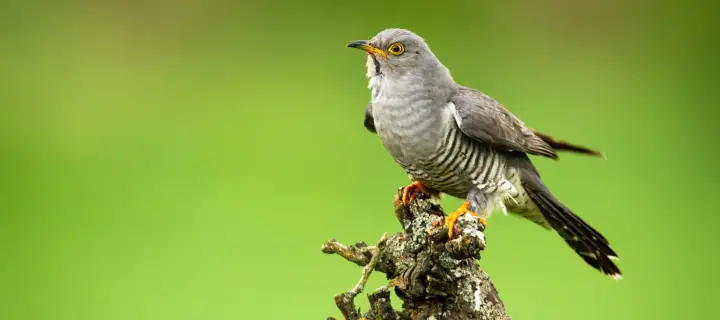
Summer brings the full breeding chorus. Reedbeds pulse with warbler song, meadows host nesting waders, and resident species raise young.
This is the season for experiencing Finland’s unique breeding species in accessible urban settings.
Key species: Breeding marsh harrier, bittern, multiple Acrocephalus warblers, bearded tit, citrine wagtail, reed bunting, various breeding waders and ducks.
Strategy: Early mornings capture the dawn chorus and most activity.
Focus on breeding behavior observation, careful listening to differentiate similar species, and watching fledgling movements in late summer.
Autumn Migration (August-October): The Return Journey
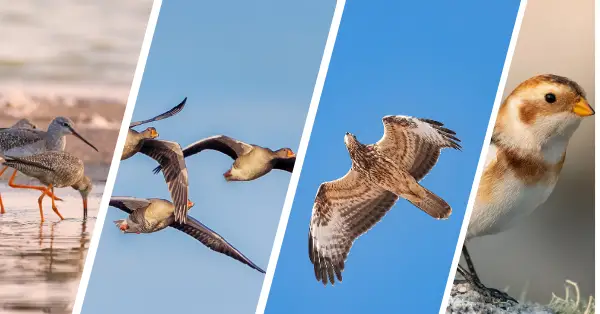
Autumn migration offers different species composition and opportunities.
Waders pass through in spectacular fall plumages, duck concentrations build, and rare eastern vagrants occasionally appear.
Key species: Impressive duck concentrations (gadwall, wigeon, teal, various diving species), autumn wader passage, raptor migration overhead, late passerine migrants.
Strategy: September offers peak diversity, while October concentrates ducks and late migrants. Watch for eastern rarities during October passage.
Winter (November-March): Hardy Survivors and Early Arrivals
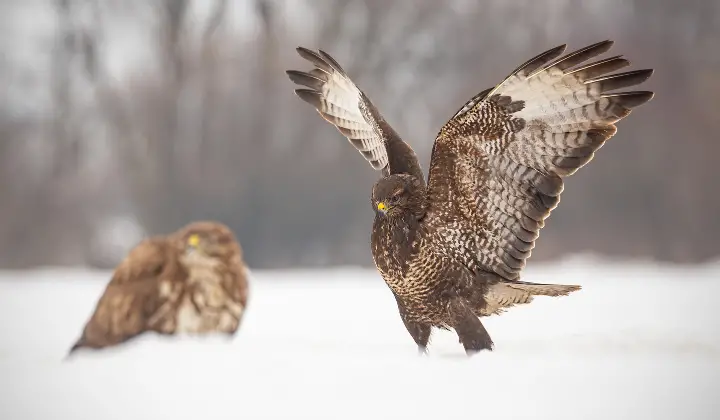
Winter birding in Helsinki reveals the tough species that brave Baltic conditions.
Open water areas become concentration points, winter feeding stations attract passerines, and late winter brings the first returning migrants.
Key species: Diving ducks on open water (goldeneye, goosander, various mergansers), feeding station passerines, overwintering individuals of surprising species.
Strategy: Focus on open water areas, check feeding stations, and by late February start watching for first migrant returns.
Must see attractions
Helsinki's Hidden Gems and Local Favorites
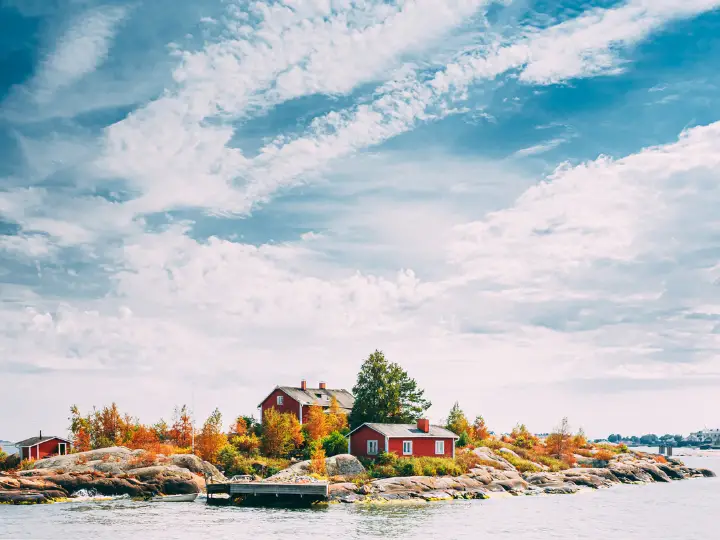
Seurasaari Open-Air Museum This is where Helsinki’s soul truly lives.
Set on a forested island connected by bridge, Seurasaari showcases traditional Finnish wooden architecture in a setting so beautiful it feels almost mythical.
In summer, locals come here for picnics and swimming; in winter, it’s a cross-country skiing paradise.
It’s my personal favorite spot for understanding how Finns have always lived in harmony with nature.
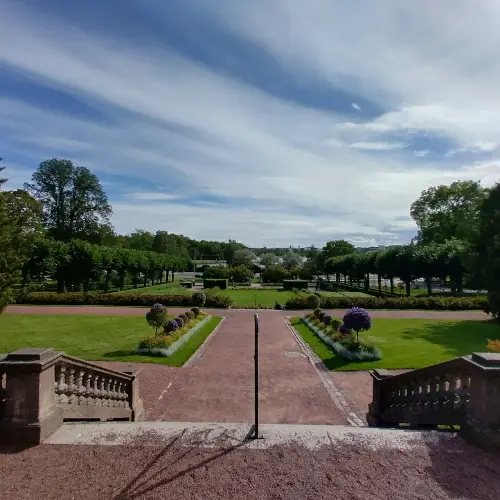
The Gallen-Kallela Museum Nestled in the stunning Tarvaspää area, this museum dedicated to Finland’s most famous artist sits in a location that’s as beautiful as the art inside.
The surrounding forest and lakeside setting embody the very landscapes that inspired Gallen-Kallela’s masterpieces.
After your visit, take time to wander the area – it’s some of the most beautiful terrain in greater Helsinki.
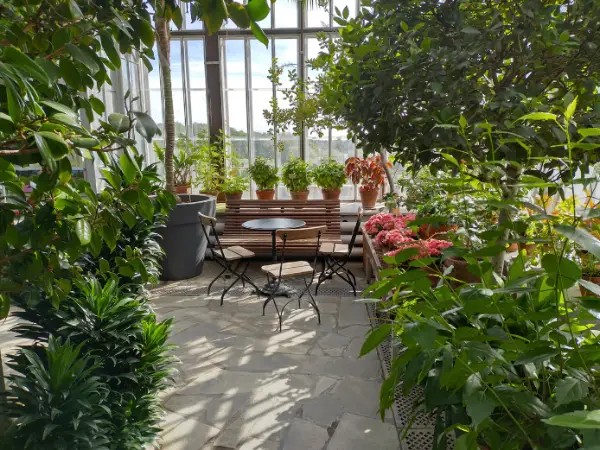
Helsinki Winter Garden A tropical oasis in the heart of the Nordic winter, this botanical garden houses an impressive collection of exotic plants.
The attached café serves excellent coffee and pastries, making it the perfect refuge during cold months.
It’s especially magical when snow covers the glass roof while you sip coffee among palm trees.
Korkeasaari Zoo Island More than just a zoo, Korkeasaari is a conservation success story set on a beautiful island.
The ferry ride alone is worth the price of admission, and the zoo’s focus on Nordic and Arctic animals makes perfect sense.
Their restaurant offers surprisingly good food with harbor views.
Nature Escapes Within Helsinki

Where to Stay
From Birding-Friendly Budget to Luxury
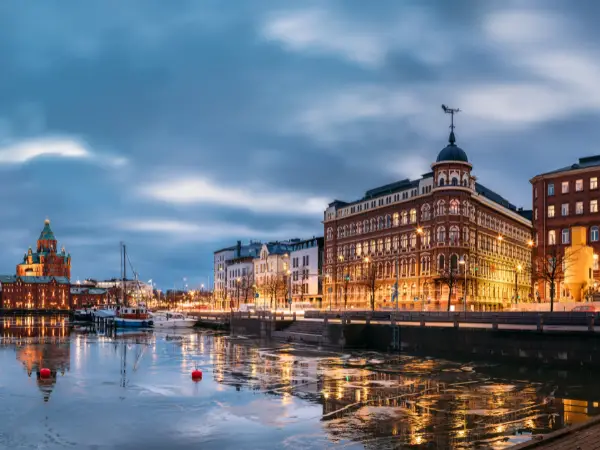
Luxury Options (€200-400+ per night)
Hotel Kämp – Helsinki’s grand dame since 1887 offers old-world elegance on the Esplanade.
Prime city center location means you’re 20 minutes from Viikki by tram/bus. The breakfast is legendary, and after a dawn birding session, the comfort is welcome.
Hotel St. George – This boutique hotel perfectly captures modern Finnish design.
The rooftop bar offers post-birding city views, and the central location provides easy public transport access to all birding sites.
GLO Hotel Kluuvi – Minimalist Finnish design meets comfort. Central location ideal for combining urban exploration with birding expeditions.
The breakfast accommodates early-morning departures.
Mid-Range Options
(€100-200 per night)
Hotel Arthur – Family-friendly with good location near Kamppi transport hub.
Many rooms accommodate families, and the breakfast’s early hours suit birders’ schedules.
Scandic Helsinki City – Reliable mid-range choice with family amenities.
Central location means public transport to Viikki takes 30-40 minutes.
Good for groups with mixed interests (birders and non-birders).
Hotel U14 Autograph Collection – Offers affordable luxury including sauna (essential Finnish experience), excellent breakfast, and prime location.
The early breakfast service accommodates dawn departures.
Budget-Friendly Options
(€50-100 per night)
Omena Hotel Helsinki City Center – Basic but clean and functional with keyless entry.
Perfect for birders who just need somewhere comfortable to sleep between dawn sessions.
Central location provides easy transport access.
Hostel Diana Park – Well-located hostel with both dorms and private rooms.
Good common areas for evening equipment maintenance and trip planning. Popular with naturalist travelers.
Hellsten Espoo – Slightly outside center but excellent value, especially for families needing space.
Closer to Laajalahti, making it strategic for western Helsinki birding.

Location Strategy for Birders
Eastern Helsinki (Herttoniemi area): Closest to Kivinokka and relatively quick access to Viikki.
Fewer accommodation options but strategic for serious birding-focused trips.
Central Helsinki (Kamppi/City Center): Most accommodation variety, excellent public transport to all sites (30-40 minutes to Viikki).
Best for mixed groups combining birding with urban exploration.
Western Helsinki (Töölö/Munkkiniemi): Good for Laajalahti access, pleasant neighborhoods, slightly longer to Viikki but manageable.
Dining in Helsinki: Refueling Between Birding Sessions

Fine Dining
Olo (Michelin Star) – After a successful day listing species, celebrate with innovative Nordic cuisine that tells Finland’s seasonal story on each plate. Reservations essential – book well ahead.
Nokka – Beautiful harbor setting with focus on Finnish ingredients. The fish dishes particularly shine, appropriate given you’ve likely spent the day watching fish-eating birds. Excellent for celebratory dinners after successful birding.
Restaurant Ask – Intimate fine dining with seasonal menu. The chef’s creativity with local ingredients mirrors the diversity you’ve observed in the field.
Practical Eating for Birders
Market Square (Kauppatori) – Open spring through autumn, perfect for grabbing quick lunches between birding sessions.
Fresh fish, local specialties, and quick energy for afternoon outings.

Coffee Culture Essential for Birders
Café Regatta – This tiny red cottage by the sea near Sibelius Monument serves Helsinki’s most atmospheric coffee.
After morning birding, the cinnamon buns and waterside setting provide perfect recovery.
Winter brings crackling fireplace; summer offers harborside seating. Cash only.
Café Kampela (Vuosaari) – My personal favorite, perfectly positioned near Uutela Nature Park. Ideal for post-birding coffee and locally-made pastries.
The relaxed eastern Helsinki atmosphere captures authentic local life.
Kaffa Roastery – For serious coffee enthusiasts who are also serious birders.
Multiple locations, but the original in Punavuori has most character.
Excellent pre-dawn coffee before early morning outings.

Bars and Nightlife
Ateljee Bar Located on the 14th floor of Hotel Torni, this bar offers panoramic city views and creative cocktails.
It’s expensive but unforgettable, especially at sunset.
A21 Cocktail Lounge Hidden down a small alley, this speakeasy-style bar serves some of Helsinki’s most innovative cocktails in an intimate setting.
Bryggeri Bar A casual spot perfect for trying Finnish craft beers.
The atmosphere is relaxed and welcoming, making it great for solo travelers.
Liberty or Death A quirky bar with American-inspired décor and excellent burgers.
Popular with locals and visitors alike.
Day Trips from Helsinki
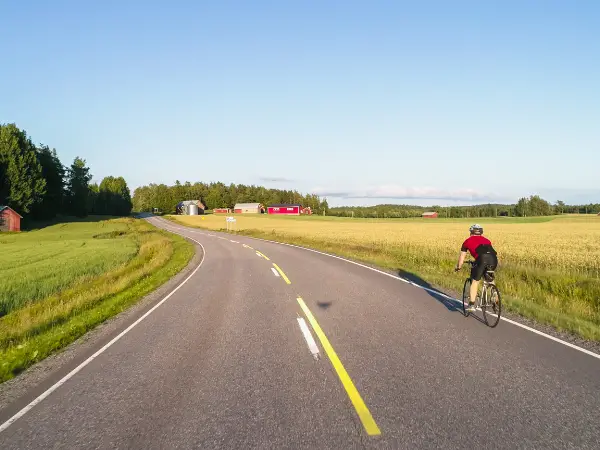
Nuuksio National Park (1 hour)
Finland’s premier accessible national park offers completely different birding than Helsinki’s wetlands.
Ancient boreal forest provides habitat for woodland specialists including several woodpecker species (three-toed, great spotted), various grouse species if lucky, and during migration, excellent passerine diversity.
Birding highlights: Forest specialists like Siberian jay (increasingly rare in southern Finland), various tit species, treecreeper, nutcracker during irruption years, capercaillie and black grouse in appropriate habitat, and excellent owl potential (Tengmalm’s, Ural, great gray in best habitat).
For non-birders: Excellent hiking trails around crystal-clear lakes, Finnish forest culture experience, visitor center with good exhibits, and swimming opportunities in summer.
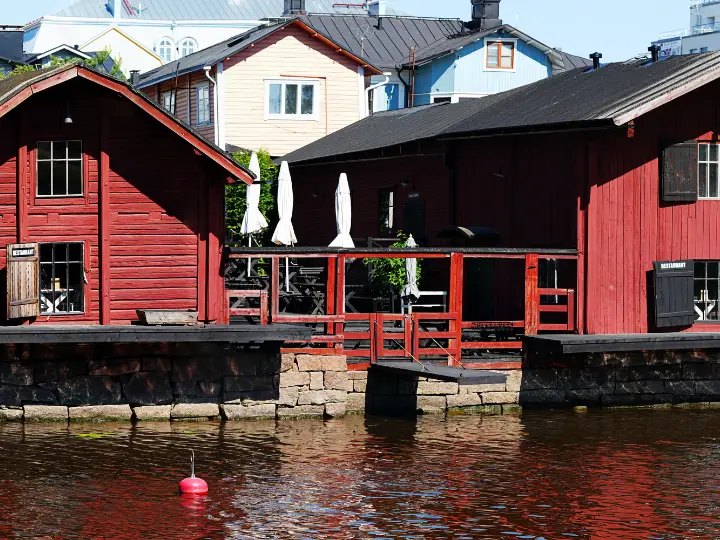
Porvoo (1 hour)
Finland’s second-oldest town offers charming medieval architecture, but birders should note the Porvoo archipelago’s excellent seabird opportunities.
The river mouth attracts migrants, and nearby coastal areas host breeding eider, arctic tern, and during migration, impressive seabird diversity.
Birding highlights: Coastal migration, seabird colonies, riverside habitats for kingfisher and various riparian species.
For non-birders: Picture-perfect old town with cobblestone streets, colorful warehouses, artisan shops, excellent cafés, and the famous Porvoo gingerbread.
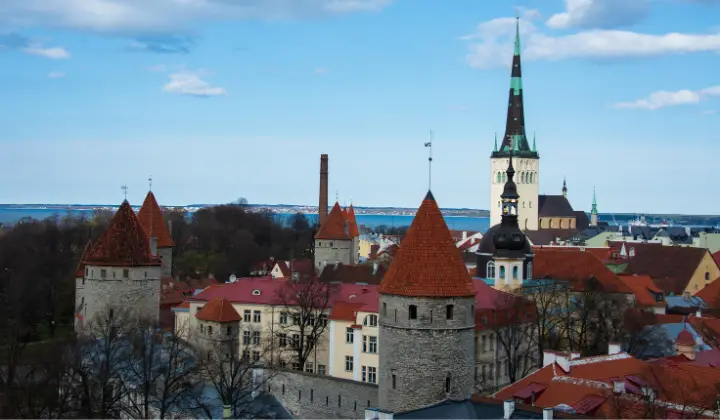
Tallinn, Estonia (2 hours by ferry)
While technically international, the ferry to Tallinn is popular with Helsinki birders for good reason.
Estonian coastal areas offer slightly different species composition, and the ferry crossing itself can produce seabird sightings.
This makes a good rest day option with birding potential.
Birding highlights: Different breeding species in Estonian wetlands, ferry crossing may produce alcids, gulls, and other seabirds during migration.
For non-birders: UNESCO medieval old town, excellent restaurants, duty-free shopping, and different cultural atmosphere.
Getting Around Helsinki

Public Transportation for Birders
Helsinki’s HSL system is exemplary for accessing birding sites:
Viikki access: Multiple bus routes along Viikintie, approximately 30-40 minutes from city center.
Routes vary but bus connections are frequent.
Kivinokka access: Herttoniemi metro station, then approximately 2km walk or connecting bus.
Laajalahti access: Bus or tram connections to Espoo, then short walk to Villa Elfvik.
HSL Mobile App: Essential for birders. Buy tickets, track real-time arrivals, plan routes.
Day passes (€8-12 depending on zones) offer unlimited travel and significant savings.
Birding strategy: Early buses accommodate dawn arrivals at Viikki (essential for spring migration).
Last buses leave evening, giving full days in field.
Taxi Considerations
Expensive but useful for pre-dawn arrivals at birding sites before public transport operates.
Consider splitting costs if birding with others.
Uber operates and is typically more affordable than traditional taxis.
Bicycle Option
Helsinki is very bicycle-friendly. City bikes available April-October could work for accessing sites, though public transport is typically more practical with optics equipment.
Some birders prefer bikes for flexibility and stopping at any interesting habitat.
Practical Information for Birders Visiting Helsinki
Budget Estimates for Birders
Budget birder: €80-120/day (hostel, public transport, casual dining, packed lunches) – covers essentials while maximizing field time
Mid-range birder: €150-250/day (hotel, transport, mix of dining) – comfortable birding with good accommodation and meals
Luxury birder: €300+/day (luxury hotel, guide services possible, fine dining) – premium experience combining world-class birding with top comfort
Money Matters
- Finland uses Euro
- Credit cards accepted
- everywhere (many places cashless)
- Café Regatta is cash-only exception
- Tipping not expected but 5-10% appreciated for exceptional service
Birding-Specific Practical Tips
Equipment recommendations:
Binoculars: Essential (minimum 8×42 or 10×42)
Telescope: Highly recommended for Viikki wetlands (waders and distant waterfowl often at range requiring scope)
Camera with telephoto: Optional but rewarding given approach distances possible at platforms
Weatherproof clothing: Essential year-round (Baltic weather changes rapidly)
Notebook/smartphone: For recording observations
Field guide: Finland or Northern Europe guide recommended (many species unfamiliar to visitors from other regions)

Best birding practices:
- Arrive early (dawn is optimal for most species and seasons)
- Respect conservation restrictions (no access to reed beds during breeding season, maintain distance from nesting areas)
- Report interesting sightings (Finnish birders maintain excellent records; contributing observations helps conservation)
- Learn key Finnish bird names (helpful when consulting local birders, though most speak excellent English)

Language for Birders:
- English widely spoken
- Learning basic Finnish bird names enhances experience and interactions with local birders
- Most information boards bilingual (Finnish/English)
Cultural Tips:
- Finns value silence and space (perfect for birding!)
- Punctuality important for any guided trips
- Right to roam (Jokamiehenoikeus) allows extensive access but respect posted restrictions
- Sauna culture (post-birding sauna is excellent recovery strategy)
What to Pack for Helsinki Birding
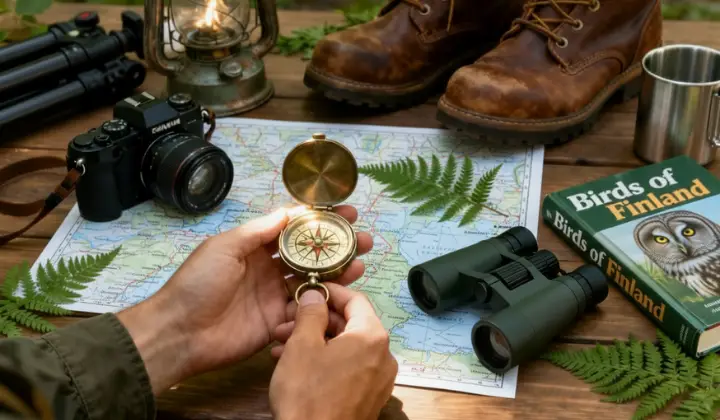
Spring/Autumn: Layered clothing, waterproof jacket and trousers, warm hat and gloves, sturdy waterproof footwear, binoculars/scope, field guide, notebook
Summer: Light layers (temperatures vary), rain jacket, sun protection, insect repellent (mosquitoes present in wetlands), binoculars/scope, swimwear (combine birding with swimming)
Winter: Serious winter gear including insulated waterproof boots, multiple warm layers, windproof outer layer, warm hat and gloves, hand warmers for maintaining equipment function, binoculars/scope with cold-weather considerations
Year-round essentials: Binoculars (quality matters for identification at distance), field guide, recording materials, portable phone charger (long days drain batteries), reusable water bottle, snacks (cafés not always near best birding sites)
Planning
Your
Helsinki Birding Adventure

Recommended Itineraries for Birders
3-Day Intensive Birding:
- Day 1: Dawn at Viikki (Keinumäki tower), afternoon Lammassaari
- Day 2: Dawn at Viikki (different tower for new perspectives), afternoon Kivinokka plus woodland birding
- Day 3: Dawn at Viikki (never gets old during migration), afternoon exploring additional sites or repeat successful locations
5-Day Comprehensive:
- Add: Day trip to Nuuksio (forest species), rest day exploring Helsinki culture while observing urban parks, evening visits to different sites for dawn/dusk species
7-Day In-Depth:
- Add: Day trip to Porvoo (coastal/seabird opportunities), more time at individual sites allowing deep observation, flexibility for weather-dependent strategies
Single-Day Highlights: If you have just one day, dedicate it to Viikki: Arrive dawn at Keinumäki tower, move through different viewing points as day progresses, include Lammassaari platform, return to best locations based on morning observations.
This maximizes species diversity and authentic Finnish urban birding experience.

Optimal Timing for Different Birding Goals
Maximum species diversity: Early-mid May (spring migration peak)
Breeding species & behavior: June-early July
Arctic waders & autumn plumages: Late August-September
Duck concentrations: October-November
Winter specialties & first migrants: Late February-March
Booking and Planning Advice
Accommodation: Book ahead for spring migration peak (late April-May) when birders and general tourists compete for rooms
Weather contingency: Baltic weather is changeable; build flexibility into itineraries allowing site switches based on conditions
Local contacts: Helsinki Region Ornithological Society (Helsingin seudun lintutieteellinen yhdistys) is excellent resource; local birders generally very welcoming to visiting enthusiasts
Guided options: Local birding guide services available (search “Helsinki birdwatching tours” or “birding Helsinki guide”); particularly valuable for first-time visitors wanting to maximize limited time
Real-time information: Check latest sightings (Tiira/Laji.fi platforms – primarily Finnish but location information transcends language) to target rare species or understand current patterns
Making the
Most
of Your Helsinki
Birding Experience
Helsinki rewards the curious birder who looks beyond the obvious.
Yes, Viikki’s white-tailed eagles and spring migration spectacular will anchor your trip, but some of my most memorable observations came during quiet moments at less-visited sites – a bittern at Hakala tower at dawn, citrine wagtail feeding young in Lammassaari reeds, or massive wader flocks staging during autumn passage.
The city works beautifully for groups with mixed interests.
Birders can dedicate early morning hours to serious observation (when birding is best anyway) while non-birding family or friends sleep in, then reconvene for lunch and afternoon cultural activities.
The public transport system makes this flexibility seamless.
For families: Children often find birdwatching towers fascinating observation points, and the Viikki area’s grazing animals (visible May-September) add interest beyond birds.
Combining morning birding with afternoon beach visits (Helsinki has numerous sandy beaches) or playground stops creates balanced days.
For solo birders: Helsinki is exceptionally safe, and the birding community is welcoming.
You’ll often find local birders at prime sites who are happy to share information and help with identifications.
The tower system means you’re rarely truly alone, yet the sites are rarely crowded enough to feel overwhelming.
For photographers: The platform systems at Viikki provide stable shooting positions, though distant subjects demand quality equipment.
The approachability of many species (waterfowl become quite tolerant of tower observers) offers opportunities unavailable in most urban settings.
Remember that Helsinki’s birding extends beyond Vanhankaupunginlahti, remarkable as that site is.
The city’s location on a major migration flyway means that virtually any green space, waterfront, or park can produce interesting observations during peak migration.
I’ve observed notable species from my apartment window, in city center parks, and along waterfront promenades.
Keep binoculars handy – you never know when something interesting will fly past.
Whether you’re using Helsinki as your base for luxury private tours in Lapland, as the centerpiece of your independent Finland birding adventure, or as one stop on a comprehensive Nordic birding circuit, this remarkable capital will exceed your expectations.
The combination of accessible world-class birding, comprehensive urban infrastructure, safety, and the surreal experience of watching white-tailed eagles hunt against a city skyline makes Helsinki unique in European birding.
The city proves that conservation success is possible even in densely populated areas, that urban environments can support remarkable biodiversity, and that humans and nature can coexist in ways that benefit both.
In Helsinki, you don’t just watch birds – you witness a conservation success story unfolding before your eyes.
The ideal time to visit Helsinki largely depends on your interests.
The long, bright summer months from June to August are the most popular, with temperatures ranging from mild to warm, and the city is bustling with outdoor activities, festivals, and events. The sun barely sets, offering plenty of daylight for sightseeing.
For those who enjoy winter activities and the chance to see snow, December to February is the best time. While daylight hours are short, the snowy landscapes are beautiful, and the city embraces the season with Christmas markets and unique cultural experiences.
Helsinki, like other Nordic capitals, is generally considered to be on the pricier side compared to many other European cities. However, the cost is often balanced by the high quality of life, efficient public services, and overall safety.
Travelers can manage their budget by opting for public transportation, staying in mid-range accommodations, and taking advantage of the city’s many free attractions, such as parks and certain museums.
Planning ahead and booking flights and accommodation in the off-season can also lead to significant savings.
The official currency in Finland is the Euro (€).
Credit and debit cards are widely accepted throughout Helsinki, from large department stores to small cafes and market stalls.
It is very common for locals to pay with cards, and many places are even cashless. It’s a good idea to have a small amount of cash on hand for very small purchases or in case of a rare technical issue, but for the most part, a card will suffice.
The official languages of Helsinki are Finnish and Swedish. However, due to Finland’s high-quality education system and its role in international trade and tourism, English is very widely spoken, especially in the service industry.
You will have no problem navigating the city, communicating with staff at hotels and restaurants, and getting directions using only English.
Helsinki has an excellent and efficient public transportation system, managed by the Helsinki Regional Transport Authority (HSL).
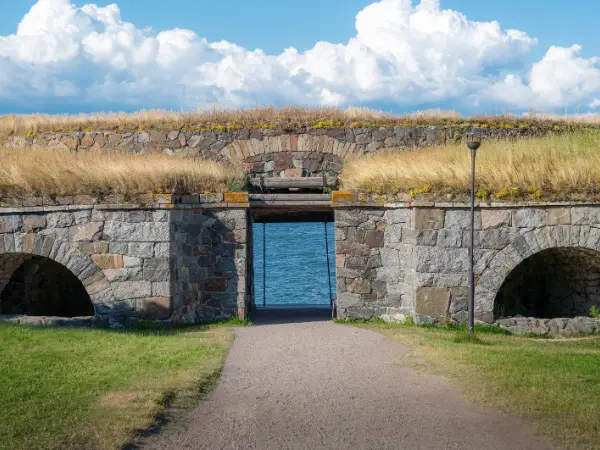
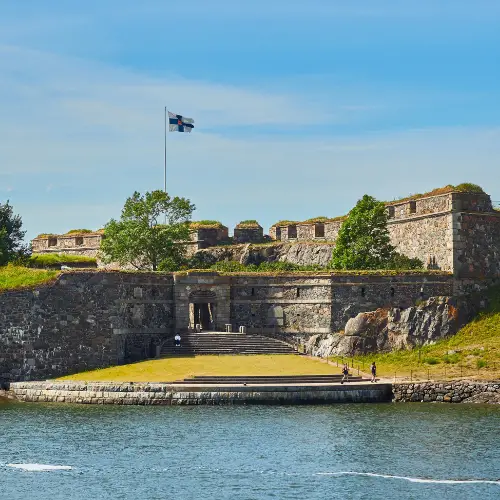
The system includes trams, buses, the Metro, commuter trains, and a ferry to the Suomenlinna fortress.
A single ticket is valid for all modes of transport within a specified zone. For tourists, the easiest option is to purchase a multi-day pass through the HSL app, which allows for unlimited travel.
The city center is also very walkable, and city bikes are available for rent, making it easy to explore on foot or by cycling.
Helsinki offers a blend of historical sites, modern architecture, and natural beauty.
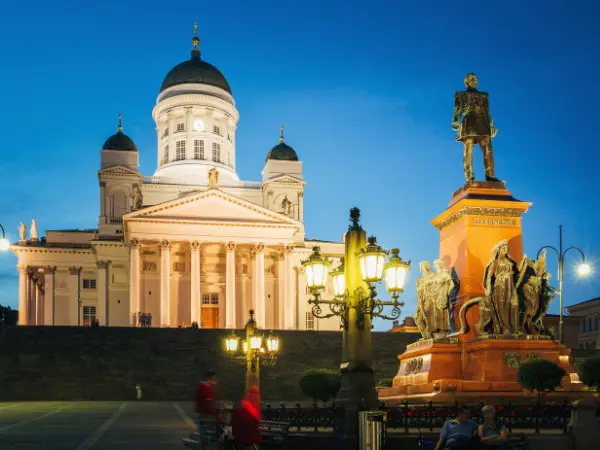
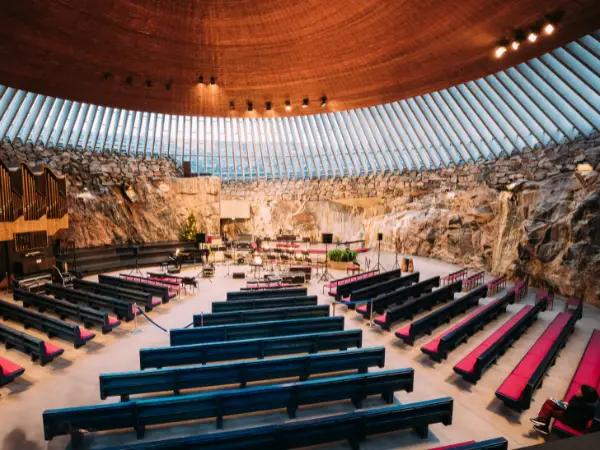
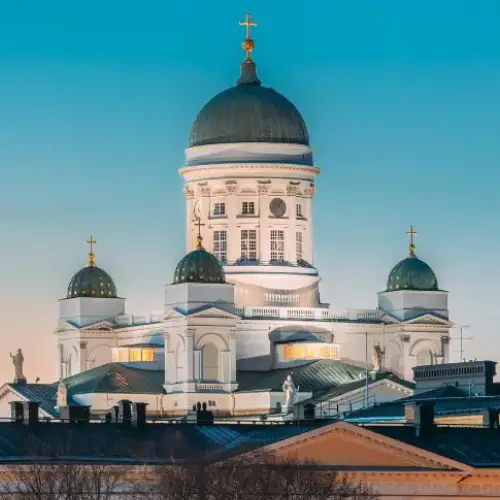
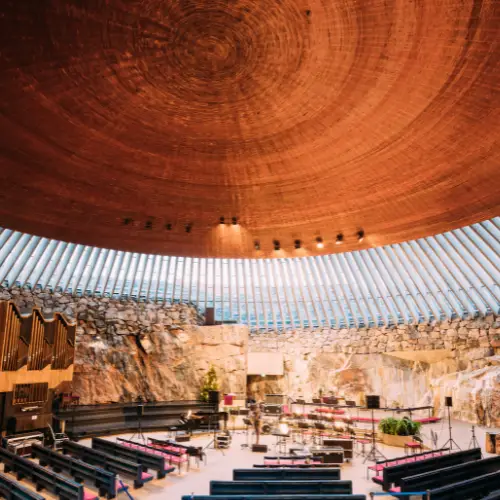
Top attractions include the Suomenlinna sea fortress, a UNESCO World Heritage site reachable by a short ferry ride; the unique Temppeliaukio Church, carved directly into rock; and the iconic Helsinki Cathedral in Senate Square.
Other popular spots are the Market Square (Kauppatori) for a taste of local life, the Design District for its boutiques and galleries, and the National Museum of Finland for a deep dive into the country’s history.
The food scene in Helsinki is a vibrant mix of traditional Finnish cuisine and modern international flavors.
Don’t miss trying classic Finnish dishes like creamy salmon soup (lohikeitto), Karelian pasties (karjalanpiirakka), and sautéed reindeer (poronkäristys).
You can also experience the unique Finnish coffee culture at one of the many cozy cafes.
Be sure to visit the Old Market Hall (Vanha Kauppahalli) to sample local delicacies and fresh seafood.
Yes, absolutely.
The tap water in Helsinki, and throughout Finland, is of exceptionally high quality and is perfectly safe in most cases to drink.
Some rental cabins might not be connected to the country water system, but rather than in such isolated and remote cabins, there is usually no need to purchase bottled water, and you can confidently refill your water bottle from any tap.
Helsinki offers a diverse and vibrant nightlife, with something for everyone.
The city has a wide range of pubs, cocktail bars, and clubs. The Kallio district is known for its relaxed, bohemian vibe and numerous bars, while the city center offers more upscale clubs and trendy cocktail lounges.
During the summer, many bars and restaurants open terraces, and the waterfront areas become popular spots to enjoy a drink and the long summer evenings.
A minimum of three days is recommended to get a good feel for Helsinki and visit its main attractions.
This allows you to explore the city center, take a trip to Suomenlinna, and visit a few museums.
If you wish to experience the city’s design and food scenes more deeply or take a day trip to the surrounding archipelago or national parks like Nuuksio, a visit of 4-5 days would be even better.
Our Podcast
Those of you that prefer consuming the content in a form of discussion, can listen to this Podcast.
It includes information that doesn’t appear in the text.