Finland’s southernmost tip transforms into one of Europe’s most spectacular birding theaters each spring and autumn.
The Hanko Peninsula’s funnel shape concentrates south-west moving birds onto this narrow strip of land, creating extraordinary opportunities to witness hundreds of thousands of migrants during peak periods.
Since 1979, the Hanko Bird Observatory (Halias) has documented this remarkable phenomenon, establishing the peninsula as essential territory for serious birders and an accessible introduction for those new to migration watching.
Why Hanko Captivates Birders
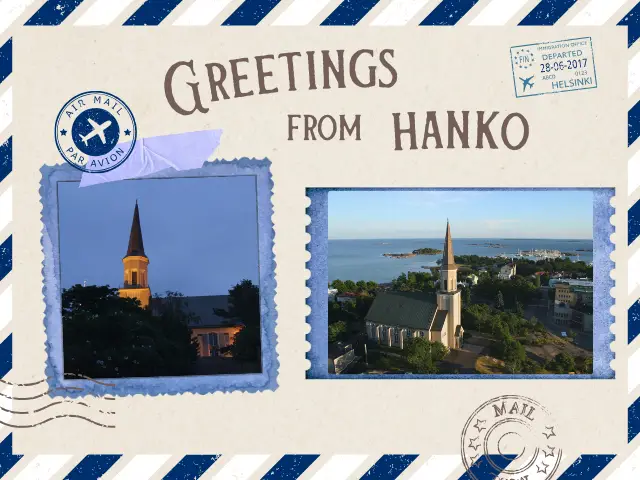
The Hanko Peninsula acts as a natural funnel for migratory birds crossing the Baltic Sea, concentrating species that avoid water crossings until absolutely necessary.
This geographic advantage, combined with diverse habitats ranging from shallow bays to ancient coastal forests, creates conditions unmatched elsewhere in Finland.
The peninsula records approximately 270 species annually, with spring migration bringing waterfowl confident in sea crossings, while autumn concentrates landbirds and raptors seeking the last terrestrial route south.
The observatory’s scientific importance extends beyond simple bird counts.
Volunteers conduct daily standardized monitoring using four-hour observation periods from dawn, along with five-hour bird ringing sessions, generating datasets that track population changes and migration phenology across decades.
This systematic approach has revealed significant shifts, including an 800 percent increase in wintering Smews and advancing migration dates for numerous species.
A YouTube of the Nature & Wildlife photographer Petri Koivisto
Seasonal
Birding at Hanko

Spring Migration (March–June):
The Main Event
Spring at Hanko defies expectations for Nordic birding.
March and April bring migratory birds while the rest of Finland remains in hibernation, with spring starting earlier here than anywhere else in the country.
Early arrivals include hardy waterfowl and the first passerines testing conditions before the main waves.

Late April through May represents peak spring migration and deservedly receives the most attention from visiting birders.
Wildfowl and waders arrive in April-May, with massive movements of ducks, geese, and shorebirds utilizing the shallow bays for feeding and rest.
The coastal forests fill with warblers, flycatchers, and thrushes, while overhead passage includes raptors taking advantage of favorable winds.
Key species during spring migration include:
- Waterfowl: Common Goldeneye, Long-tailed Duck, Common Eider, Red-breasted Merganser, Goosander, Whooper Swan
- Waders: Common Ringed Plover, Eurasian Oystercatcher, various sandpipers and plovers
- Raptors: White-tailed Eagle, various harriers, Eurasian Sparrowhawk
- Landbirds: Massive numbers of finches, thrushes, and warblers moving through the coastal scrub
The observation tower at Halias provides commanding views for counting visible migration, while the Tulliniemi Nature Path offers excellent opportunities for close encounters with resting migrants in the coastal vegetation.
Summer (June–July):
Breeding Birds and Early Migrants
Summer brings relative calm compared to migration peaks, but rewards patient observers with breeding species and the first signs of return migration.
The wetlands support 6% of the biogeographical population of Caspian Tern, representing Finland’s largest colony.
Coastal meadows host breeding waders, while the forests ring with the songs of warblers, thrushes, and woodpeckers.
By late July, adult waders begin their southward journey, offering preview of the autumn spectacle to come.
Autumn Migration (August–November):
The Grand Finale
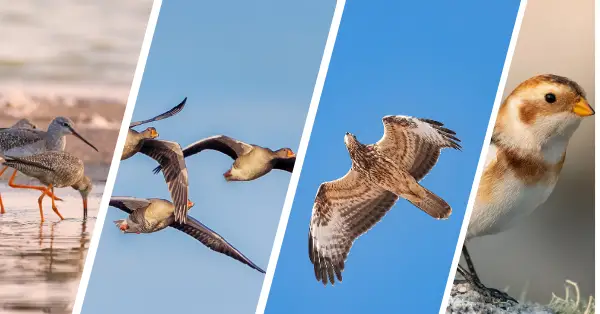
August, September and October are the “high seasons” in the Hanko birding year, with huge flocks following the peninsula’s shorelines flying south-west.
The funnel effect reaches maximum impact as countless landbirds concentrate at the peninsula’s tip, hesitating before the open water crossing.
Autumn migration differs fundamentally from spring.
In autumn, the focus shifts to landbirds and raptors arriving from the mainland, creating spectacular visible migration days with thousands of birds streaming past observation points.
Rainy and cloudy weather can interrupt migrations, causing concentrations of waders along the shallow shores.
Notable autumn phenomena include:
- Finch Days: Aintila recounts witnessing over 220,000 finches passing through in a single day
- Raptor Migration: Sparrowhawks, various other accipiters, and occasional rare species
- Passerine Waves: Thrushes, warblers, flycatchers, and tree pipits in extraordinary numbers
- Woodpecker Irruptions: Some years bring massive movements, particularly Great Spotted Woodpecker
The migration of swans happens when October turns to November, as inland lakes freeze and swans make their way to the coast.
Svanvik bay becomes particularly famous for roosting Whooper Swans, which may remain well into the new year during mild autumns.
Winter (December–February):
Hardy Specialists
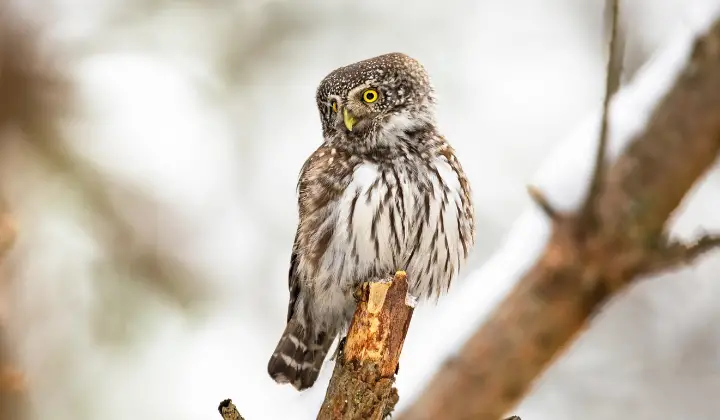
Birdwatching can still be rewarding in early winter, even beyond the new year in January.
Mild coastal conditions allow species to overwinter that would struggle inland.
The changing climate has brought increases in wintering waterbirds, particularly sea ducks in the outer archipelago.
While less diverse than migration seasons, winter offers quality over quantity for those seeking specialty species adapted to Baltic conditions.
Premier
Birding Locations
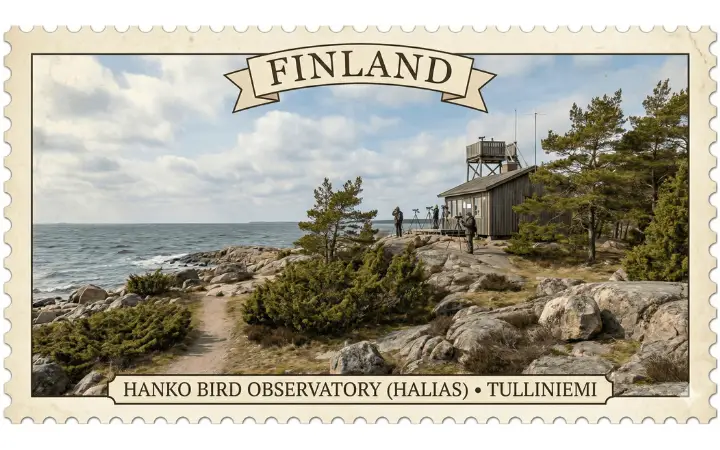
Hanko Bird Observatory (Halias) &
Tulliniemi Nature Reserve
GPS Coordinates: 59.8136°N, 22.9083°E
The wooden walls of the observatory sit on a rocky outcrop in Uddskatan Nature Reserve, at Finland’s southernmost tip.
This legendary site anchors any Hanko birding visit.
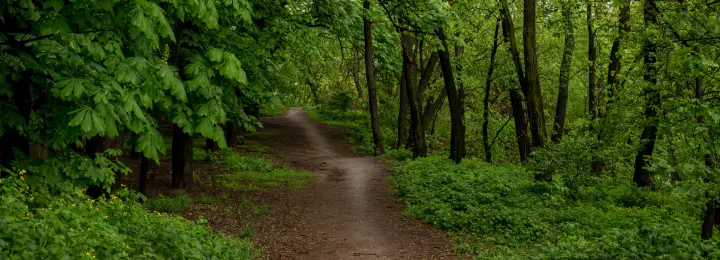
The nature trail approaches from the north of Hanko’s outer harbor, winding through centuries-old coastal forest where migrants rest and feed before continuing their journeys.
An observation bunker, a World War II relic, provides elevated views across the peninsula’s tip and out to sea.
From here, sweeping views reveal eiders and long-tailed ducks floating on the sea, white-tailed eagles soaring above, and smews paddling near shore.
During peak migration, the skies fill with streams of passerines, while the surrounding scrub conceals warblers, flycatchers, and thrushes.
The reserve’s accessibility varies: the first 200 meters from the parking area accommodates bicycles, after which visitors must proceed on foot.
The trail presents moderately rough terrain requiring appropriate footwear, but rewards with outstanding birding throughout its length.
Budget approximately one hour for the walk each way, though serious birders should plan for much longer given the observation opportunities.
Facilities: Information boards at entrance, observation tower, bird ringing station (viewable during operations), limited seasonal facilities
Best for: Visible migration counts, passerine waves, coastal seabirds, educational observatory visits
Svanvik Bay
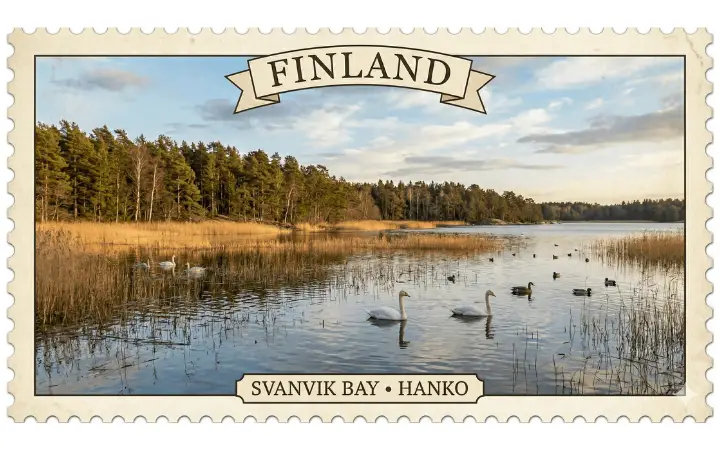
GPS Coordinates: 59.8247°N, 22.9736°E
Svanvik is an open and shallow bay where great amounts of seabirds and wading birds gather during migration, particularly popular for swan watching.
The bay’s name translates directly to “Swan Bay,” reflecting its primary attraction.
During October and November, hundreds of Whooper Swans utilize these sheltered waters, with numbers persisting through winter when conditions remain mild.
The observation tower provides views across the entire bay, essential during autumn when swan concentrations reach their peak.
Spring brings different attractions, with various dabbling ducks, geese, and waders using the shallow waters for feeding.
The surrounding agricultural fields occasionally attract rare species and provide habitat for staging geese.
Facilities: Observation tower, parking area
Best for: Whooper Swan concentrations (Oct-Jan), waterfowl migration, wader passage
Täktom Wetland & Observation Tower
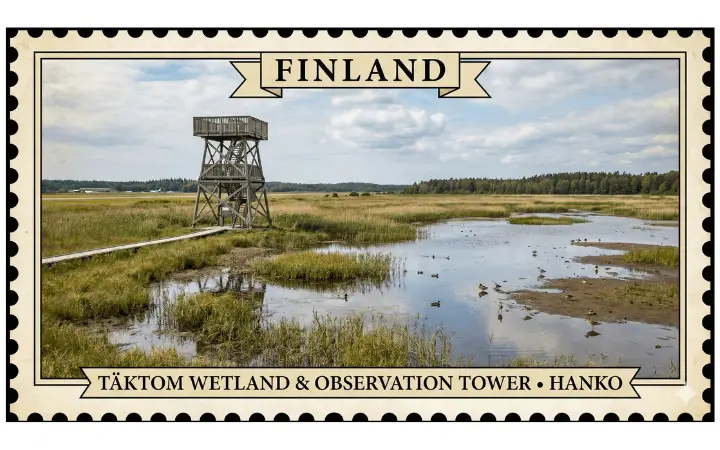
GPS Coordinates: 59.8458°N, 23.0325°E
The shallow bay of Täktominlahti features constructed wetlands designed to reduce eutrophication, with restoration projects creating improved habitat for wetland birds.
Two observation towers provide panoramic views across the wetland complex, which attracts diverse waterfowl, waders, and marsh-associated species.
The best spots in early spring are the shores close to town, harbors and the fields in Täktom village.
This accessibility makes Täktom particularly valuable for birders without vehicles or those seeking productive sites near town amenities.
Two nature trails on the eastern side of Täktomintie Road allow exploration of different wetland zones and forest edges.
Facilities: Two observation towers, nature trails, information displays, parking
Best for: Wetland species, waterfowl diversity, early spring migrants, family-friendly access
Gåsörsudden Bank & Coastal Areas
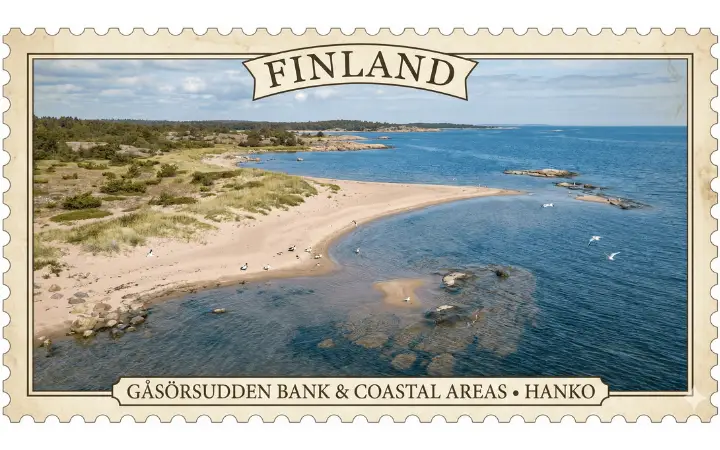
The sandy spit extending into the Baltic provides critical habitat for resting migrants and feeding shorebirds.
Walking the coastline from the observatory toward Gåsörsudden reveals different microhabitats – rocky shores, small beaches, coastal meadows – each attracting specific species.
The open views facilitate seabird observation, with opportunities for sea ducks, divers, and passing gulls and terns.
Best for: Shorebird migration, coastal passerines, seabird observation, quiet exploration
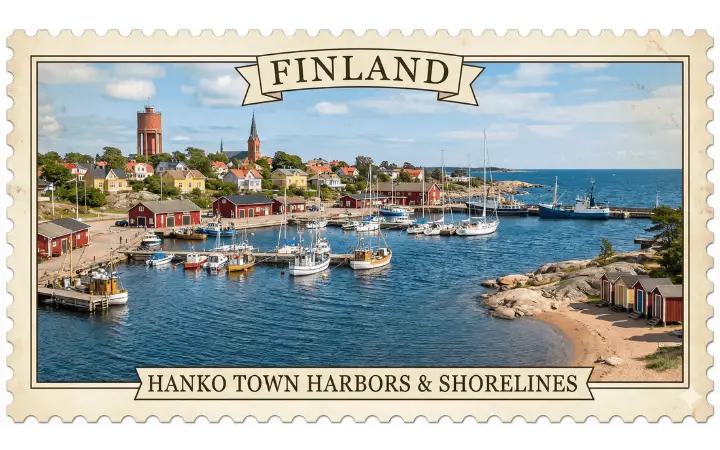
Hanko Town Harbors & Shorelines
Don’t overlook Hanko’s urban shorelines.
Both the Eastern and Western harbors attract gulls, terns, and waterfowl, particularly during rough weather when birds seek shelter.
Early morning observation from harbor areas can produce excellent results with minimal walking, ideal for quick sessions before breakfast or during poor weather.
Best for: Accessible urban birding, harbor specialists, weather fallback option
Day Trips From
Hanko
Bengtskär Lighthouse Island
(Accessible by Boat)
Distance: 25km southwest by sea Travel Time: 60-90 minutes by tour boat
At 52 meters above sea level, Bengtskär is the tallest lighthouse in the Nordic countries.
Birding is rather good, with good possibility to see jaegers and shorebirds during migration.
The island’s isolated position makes it a magnet for seabirds and migrant landbirds seeking rest after water crossings.
Spring brings breeding eiders and passing seabirds, while autumn migration can produce rarities alongside more common coastal species.
Marine Lines operates cruises from Hanko’s Eastern Harbor during summer months, with special migration-season trips in May and September offering extended time ashore.
The exposed setting demands warm, wind-proof clothing even in summer.
Notable Species: Common Eider (breeding colony), Long-tailed Duck, various skuas and jaegers, passage migrants, rare vagrants
Cost Considerations:
- Tour boat: €65 per person (includes guided tour)
- Restaurant/café available on-site
- Total estimated cost: €70-80 per person
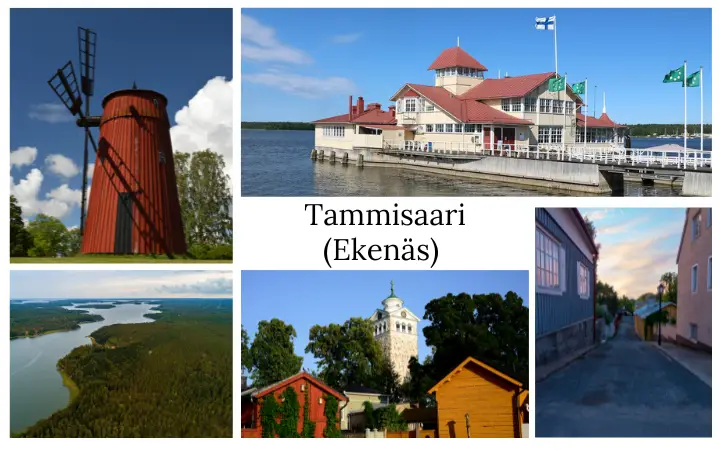
Tammisaari (Ekenäs) Archipelago
Distance: 30km east Travel Time: 30 minutes by car
The historic coastal town of Tammisaari provides access to additional archipelago birding.
The eastern extension of the same Ramsar wetland complex that includes Hanko offers different habitat types and species compositions.
The old town provides pleasant lunch options and cultural interest for non-birding companions.
Cost Considerations:
- Car rental/fuel: €20-30
- Lunch: €15-25 per person
- Total estimated cost: €35-55 per person
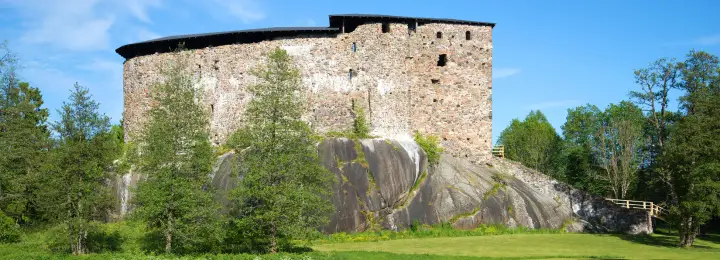
Raasepori Castle
Distance: 25km northeast Travel Time: 25 minutes by car
The 15th-century castle represents some of the most impressive ruins in Finland.
While primarily a historical site, the surrounding forest and wetland edges provide birding opportunities, particularly during migration.
The combination of culture and nature makes this ideal for mixed-interest groups.
Cost Considerations:
- Castle entrance: €8-10 per person
- Car rental/fuel: €20-30
- Lunch/refreshments: €15-20 per person
- Total estimated cost: €45-60 per person
Getting Around Hanko

Reaching Hanko
From Helsinki (130km):
Finnish Railways (VR) operates direct trains from Helsinki Central Station to Hanko three times per week (Wednesday, Friday, Sunday), with journey time of approximately 1 hour 57 minutes.
Additional services require connections through Karjaa station.
Train travel provides scenic views of the Finnish countryside and delivers you directly to Hanko’s town center, within walking distance of most accommodations.
By car, the drive takes approximately 1 hour 42 minutes via Route 25, offering flexibility for reaching birding sites and carrying optics/equipment.
From Helsinki-Vantaa Airport:
Direct buses operate seasonally, or combine airport rail connections with the train service to Hanko.
Total journey time: 2.5-3 hours.
Local Transportation

Due to short distances you can easily get around Hanko by bike or on foot, with many bike rentals available especially in summer. This compact scale makes Hanko exceptionally birder-friendly – most key sites lie within cycling distance of the town center.
Cycling: Ideal for birders wanting independence and the ability to stop frequently. The generally flat terrain and relatively quiet roads make cycling comfortable for most fitness levels. Budget €15-25 per day for rental.
Walking: The town center, harbors, and some coastal areas remain accessible on foot. However, reaching Tulliniemi Nature Reserve and other outlying sites requires substantial walks.
Car Rental: Recommended for accessing all sites efficiently, particularly valuable for multiple-day visits or small groups sharing costs. Expect €40-70 per day depending on vehicle size and season.
Taxis: Available but expensive for repeated journeys to birding sites. Consider for bad weather days or dawn sessions at distant locations.
Dining in Hanko
Near Birding Sites
Beurre Lunch & Catering (Western Harbor) Located where the city of Hanko was founded 150 years ago, Beurre occupies the historic “Butter Warehouse”.
The focus on quality ingredients and healthy preparations provides suitable fuel for active birding days.
Open year-round with weekday lunch buffets, making it convenient for mid-morning breaks from nearby coastal sites.
På Kroken (Hangonkylä Harbor) A cozy café and restaurant in the idyllic fishing harbor, serving lunch on weekdays year-round.
The relaxed marine atmosphere and location make it a natural stop when birding the northern shores.
Local seafood specialties reflect the coastal setting.

Town Center Options
Restaurant HSF (Eastern Harbor) Offers summer dining with stunning sea views, catering to both large and small groups.
The harbor-side terrace provides pleasant setting for evening meals while watching harbor birds. Menu features contemporary preparations of local ingredients.
Hangon Makaronitehdas (Eastern Harbor) Specializing in fresh pasta, quality wines and champagne.
The pasta-focused menu offers satisfying meals after energy-intensive birding days, while the Eastern Harbor location keeps you close to potential evening observation opportunities.
Bravas Spanish-influenced cuisine in Hanko’s trendy Eastern Harbor area.
The varied menu accommodates different tastes within groups, making it valuable for mixed-interest parties where not everyone shares equal birding enthusiasm.
Classic Pizza Hanko Reliable, reasonably-priced option for straightforward meals.
Particularly useful for quick dinners before early-morning birding sessions or when weather discourages extensive wandering.
Hangon Casino This iconic seaside restaurant dates back to 1878.
While primarily operating as a private event venue during summer 2025, the historical building and spectacular location merit attention when available for regular dining.
The setting alone makes it memorable.
Cafés for Birders

Alan’s Café Located in the center of Hanko in an old charming wooden house with cozy atmosphere and heavenly smells.
Perfect for morning coffee and pastry before heading to birding sites, or afternoon breaks between observation sessions.
Café Regatta Offers convenient refreshment options near accommodation areas.
The relaxed atmosphere accommodates tired birders reviewing the day’s sightings over coffee.
Accommodation Options
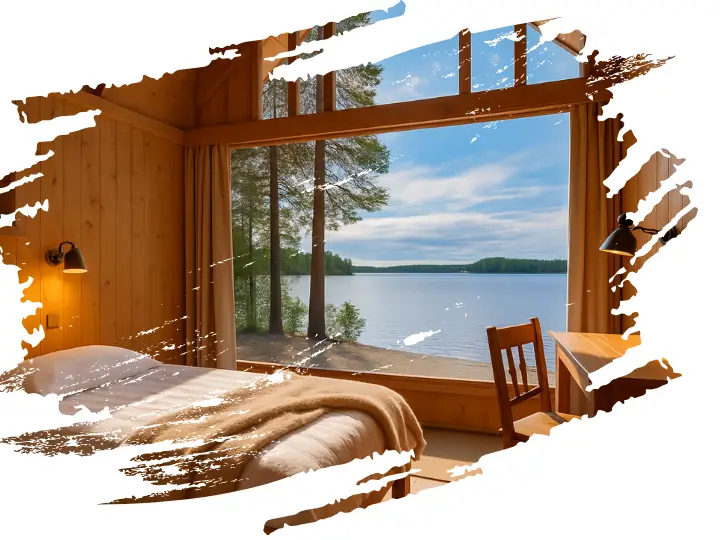
Budget Options (€60-€100 per night)
Viking Motel A comfortable, straightforward option offering essential amenities without frills.
Located convenient to both town center and main routes to birding sites.
The outdoor area provides relaxing space after long days in the field, and the practical approach suits birders prioritizing time outdoors over accommodation luxury.
B&B Korsman Hanko With high satisfaction ratings and a central location near Casino Beach, this bed and breakfast provides good value for independent birders.
The shared lounge and bar create opportunities to compare notes with other guests, while the breakfast buffet accommodates early departures for dawn observation sessions.
Folkiacenter Gästhem Offering various accommodation types from private rooms to shared spaces, this guesthouse appeals to solo birders and small groups.
The communal kitchen encourages social atmosphere and reduces dining costs, while the central location provides easy access to both beaches and town amenities.
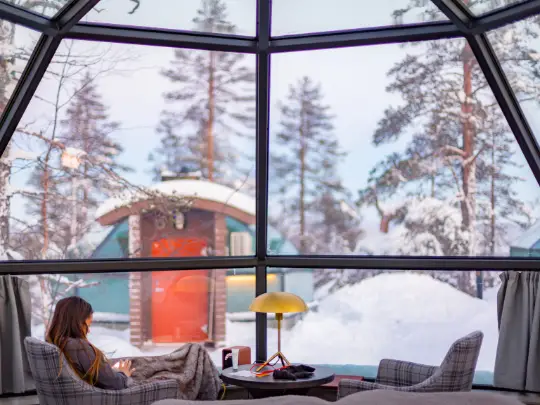
Mid-Range Options (€100-150 per night)
Hotel Bulevard Hanko Well-located in town with comfortable rooms suitable for extended stays. The hotel’s practical amenities support multi-day birding trips, with convenient access to restaurants and grocery stores for provisions. Good choice for birders valuing comfort without excessive costs.
Villa Maija Located perfectly between bustling Eastern Harbor and Hanko Casino in a well-restored 130-year-old building. The fewer than 10 rooms ensure quiet atmosphere, while the historical setting adds character to your stay. Proximity to restaurants and harbor areas provides dining flexibility.
Omena Hotel Hanko Modern, self-service concept offering excellent value for independent travelers. The smart-key entry system provides flexibility for early departures and late returns from birding sessions, while the town-center location ensures easy access to amenities.

Luxury Options (€150+ per night)
Regatta Spa Hotel The Regatta SPA offers wellness experiences year-round in an elegant, modern setting with magnificent sea views.
After demanding days covering miles of coastline, the spa facilities provide welcome relief.
The hotel’s Aurea Brasserie serves quality meals emphasizing local ingredients, while the sophisticated atmosphere makes this ideal for combining birding with comfort.
Note that during summer season, spa access may be limited to hotel guests.
Villa Solgården For small groups, this villa-style accommodation offers private garden access and bar facilities.
The peaceful setting provides retreat-like atmosphere while maintaining convenient access to town amenities and birding sites.
Beach Cottage Options Various traditional Finnish cottages dot the coastal areas, offering authentic accommodation with direct beach access.
These work particularly well for groups or families combining birding with general holiday, though typically require car transportation to sites.

Budget Estimates

Budget Birding Trip (3 days/2 nights)
Accommodation: 2 nights @ €70/night = €140 Meals:
- Self-catered breakfasts: €15
- Lunch (mix of cafés and groceries): €45
- Dinners (budget restaurants): €50 Transportation:
- Train Helsinki-Hanko return: €35
- Bicycle rental: €40 Day trip: Tammisaari by taxi share: €30
Total per person: €355
Mid-Range Birding Trip (3 days/2 nights)
Accommodation: 2 nights @ €125/night = €250 Meals:
- Hotel breakfasts: included
- Lunches (restaurants): €60
- Dinners (mid-range restaurants): €80 Transportation:
- Car rental (shared by 2): €60
- Fuel: €30 Day trip: Bengtskär lighthouse tour: €75
Total per person: €555
Luxury Birding Trip (3 days/2 nights)
Accommodation: 2 nights @ €180/night = €360 Meals:
- Hotel breakfasts: included
- Lunches (quality restaurants): €80
- Dinners (fine dining): €120 Transportation:
- Car rental (private): €120
- Fuel: €40 Day trips:
- Bengtskär lighthouse: €75
- Private guide for specialized birding: €150 Spa treatments: €80
Total per person: €1,025
Practical Information for Birders
Essential Equipment

Optics: Quality binoculars (8×42 or 10×42) prove essential for the varied habitats and observation distances.
A spotting scope significantly enhances seabird and waterfowl observation from observation towers and coastal vantage points.
Weather Protection: Baltic coastal weather changes rapidly.
Layered clothing, waterproof jacket and trousers, and warm accessories remain important even in summer.
Autumn and spring demand full cold-weather gear including hat and gloves.
Recording Tools: Notebook for detailed observations, or smartphone with note-taking app and local bird identification apps.
Camera with telephoto capability if photography interests you, though heavy equipment may not be necessary for identification purposes.
Apps & Resources

BirdLife Finland Resources: The organization provides excellent information about Finnish birding, including the Tiira database for recording observations and checking recent sightings.
Hanko Bird Observatory Data: The observatory maintains online visualization of daily counts at haahka.halias.fi, allowing you to track migration progress and plan visits during peak periods.
eBird: International database useful for checking recent sightings and keeping your own records.
Coverage of Finnish sites continues improving.
Weather Apps: Wind direction and speed critically influence migration.
Monitor forecasts to optimize your observation timing – south or southeast winds in autumn push migrants toward Hanko, while spring benefits from north or northeast winds.
Bird Ringing Demonstrations

During migration seasons, the observatory operates mist-nets for a five-hour ringing effort each morning.
Visitors may observe ringing operations when researchers are working, providing educational insight into migration monitoring methods.
This extraordinary access to scientific research distinguishes Hanko from many other birding destinations.
Always check with observatory staff about appropriate times and areas for observation that won’t disturb operations.
Accessibility Considerations
The Tulliniemi Nature Path presents moderately challenging terrain with some rough sections, though most reasonably fit individuals can manage the walk.
Täktom observation towers provide elevated viewing requiring stair climbing. Svanvik observation tower offers relatively flat access to the base.
For birders with mobility limitations, the Hanko town harbors and some coastal areas near town center remain accessible, while Täktom’s parking area sits close to facilities.
Photography Ethics & Considerations
Peak migration creates tempting photography opportunities, but birder ethics apply strictly.
Never flush resting migrants from vegetation for photographic purposes – exhausted birds require rest and feeding time.
Maintain respectful distances, particularly at observation towers and popular sites where disturbance affects other observers’ experiences.
The research conducted at Halias depends on accurate behavioral observations; photographer presence should never alter normal bird activity.
Conservation & Responsible Birding
The Bird Wetlands of Hanko and Tammisaari Ramsar site faces threats from oil pollution due to shipping routes near the recently-enlarged Hanko harbour.
Additionally, recreational pressure and shoreline development create ongoing challenges.
Birders can support conservation by:
- Staying on marked paths to avoid trampling sensitive coastal meadow and beach vegetation
- Properly disposing of all waste and packing out everything you bring
- Supporting local conservation organizations through memberships or donations
- Sharing quality observations with monitoring programs like Tiira and eBird
- Respecting seasonal restrictions in sensitive breeding areas
The Täktom wetland restoration project demonstrates active management improving bird habitat.
Constructed wetlands reduce eutrophication in Täktominlahti bay, showing how practical conservation measures benefit both birds and water quality.

Activities for Non-Birding Companions
Hanko’s appeal extends well beyond birds, ensuring non-birding travel companions enjoy rewarding experiences while you’re occupied at observation towers.
Beaches & Swimming
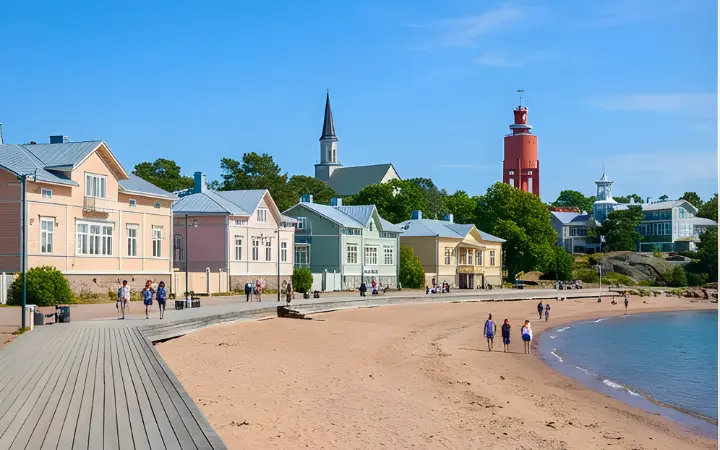
Hanko’s 130 km of shoreline includes both fine sand beaches and beautiful rocky coves.
Bellevue Beach (Plagen) ranks as the most popular, offering soft white sand, shallow waters ideal for families, and the famous water carousel – a motor-driven structure with ropes extending into the sea, providing unique swimming entertainment.
Silversand Beach on the peninsula’s north side allows evening swimming while watching sunset.
For a more adventurous experience, Hanko offers underwater snorkelling trails with information boards curated by Tvärminne Zoological Station, allowing observation of mussels, fish, and aquatic plants through clear Baltic waters.
Fins and snorkel recommended, always swim with a buddy.
Historical & Cultural Sites
Hanko Front Museum: Located on the actual front line between Finland and Soviet Union during 1940-1941, the museum offers memorable indoor exhibitions and authentic outdoor trenches with military artifacts. Guided tours available, with special programs for children.
The café provides refreshments after exploring the extensive grounds.
Hanko Water Tower: This prominent landmark offers panoramic views of Hanko and surrounding areas.
The 48-meter tower (65 meters from sea level) allows visitors to spot the three lighthouses surrounding Hanko – Gustavsvärn, Russarö, and on clear days, Bengtskär. Summer admission approximately €2.
Hauensuoli Rock Carvings: Historical carvings where seafarers etched their names, coats of arms, and stories into rock faces, creating a maritime history spanning centuries.
Accessible by boat tour from the Eastern Harbor during summer months.
Hanko Museum: The small museum presents changing exhibitions, with recent themes including local nature and global environmental issues.
Note that exhibition texts may be primarily in Finnish and Swedish.
Wellness & Relaxation

Regatta SPA provides year-round wellness experiences in elegant, modern setting with magnificent sea views, featuring pools and saunas.
During the summer season, spa access may be limited to hotel guests, so verify availability when planning.
The spa treatments offer perfect recovery from long beach walks or shopping expeditions.
Outdoor Activities
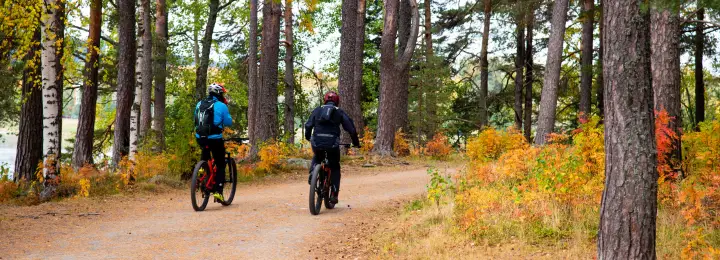
Cycling: The compact town scale makes cycling ideal for exploration.
A signposted 19-kilometer cycling route circles through Hanko’s highlights, allowing independent discovery at your own pace.
Rental bikes widely available in summer.
Hiking Trails: Multiple nature trails beyond Tulliniemi explore varied coastal and forest landscapes.
The Love Path (Kärleksstigen) combines outstanding nature with historical sites in a 1.5km walk offering sea views and wartime relics.
Water Sports: The sailing-famous town offers opportunities for paddleboarding, kayaking, and boat rentals.
The Eastern Harbor area provides access to equipment and launching facilities.
Frisbee Golf: Courses in scenic settings offer another active outdoor option requiring no specialized equipment.
Urban Pleasures

Drottningberg Creative Hub: Located in the Eastern Harbor in a former factory building, this creative center houses art studios, vintage shops, and wellness businesses.
Similar shops and galleries also operate along pedestrianized Vuorikatu and around the Eastern Harbor.
Local Markets & Shopping: The town center offers charming boutiques, cafés, and local artisan products.
Summer brings additional market activity focused on local crafts and foods.
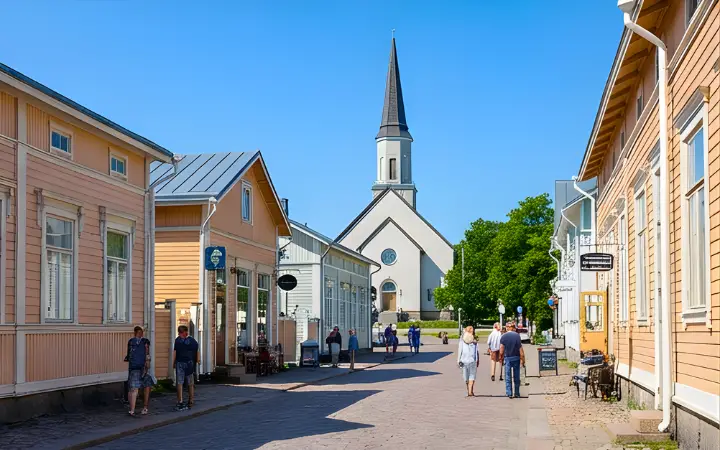
Victorian Architecture: Many of Hanko’s wooden villas date from the late 19th century when the town flourished as a Russian spa resort.
The Spa Park area preserves particularly fine examples of this historical architecture, perfect for afternoon strolls while you’re checking field notebooks.
When to Visit: Seasonal
Recommendations

For Peak Spring Migration: Late April through mid-May offers the most intense activity, with maximum species diversity and large numbers.
Weather can be changeable, so pack layers and waterproofs.
Accommodation books early for this period.
For Autumn Spectacular: September combines reliable weather, massive landbird movements, and generally good observation conditions.
Early October brings swan concentrations and the last waves of passerines.
For Weather & Comfort: July-August provides warmest conditions and fullest tourism infrastructure, though lower bird diversity.
Ideal for combining birding with beach time or when traveling with non-birding companions prioritizing beach activities.
For Solitude & Dedication: March-early April and late October-November see fewer visitors but can produce excellent birding for those prepared for cold conditions.
Reduced restaurant and accommodation options, but lower costs and empty observation sites.

Final Thoughts
Hanko deserves its reputation as Finland’s premier birding destination.
The combination of geographic advantage, diverse habitats, scientific research infrastructure, and accessibility creates conditions rarely matched elsewhere in Northern Europe.
Whether you’re seeking your first glimpse of spring migration’s magnitude or adding to a lifetime list of Arctic species, the peninsula delivers memorable experiences.
The compact scale allows productive birding without excessive travel, while Hanko town provides comfortable base facilities and attractions ensuring companions enjoy their visit regardless of birding interest.
Plan at least three full days to experience the diversity properly, though dedicated birders could profitably spend a week during peak migration without exhausting possibilities.
As you stand on the fire control tower watching finches stream south, or observe researchers carefully documenting each ringed bird at Halias, you’re participating in a tradition spanning decades.
The data accumulated here contributes to our understanding of migration, population dynamics, and climate change impacts.
Every observation matters, every list adds to knowledge.
Welcome to Hanko. The skies are waiting.